CAT 140K Motor Grader Parts - Circle, Blade and Hydraulic Wear List for Kenya and Tanzania
Why the circle fails first on laterite roads
A grader spends its life steering the blade through material, and all of that torque passes through the circle and drawbar. On East African laterite and black cotton soil the machine cuts wet, sticky earth in the rains and hard abrasive crust in the dry, so the circle drive works at full load both seasons.
The failure chain: circle wear plates and adjusting shims wear, the circle starts to rock, pinion and ring gear backlash opens, the blade wanders on a cut, the operator corrects constantly, and the whole wear plane accelerates. Meanwhile laterite grinds the cutting edges round and the lean and lift cylinder seals weep dust-laden oil.
| Area | Symptom on site | First check (no cost) | Usual action |
|---|---|---|---|
| Circle and drawbar | Blade wander, circle rock | Measure circle play and backlash | Shim or replace wear parts |
| Cutting edges / end bits | Round edges, poor cut | Measure edge height | Replace or reverse edges |
| Lift / lean / sway cylinders | Drift, oil on rods | Drift test, rod inspection | Reseal or replace |
| Moldboard and cutting gear | Nose roller wear, slide wear | Check slide strips and roller | Replace strips or roller |
| Hydraulic pump / steering | Slow circle, heavy steering | Measure pressure at working temp | Replace pump or orbital unit |
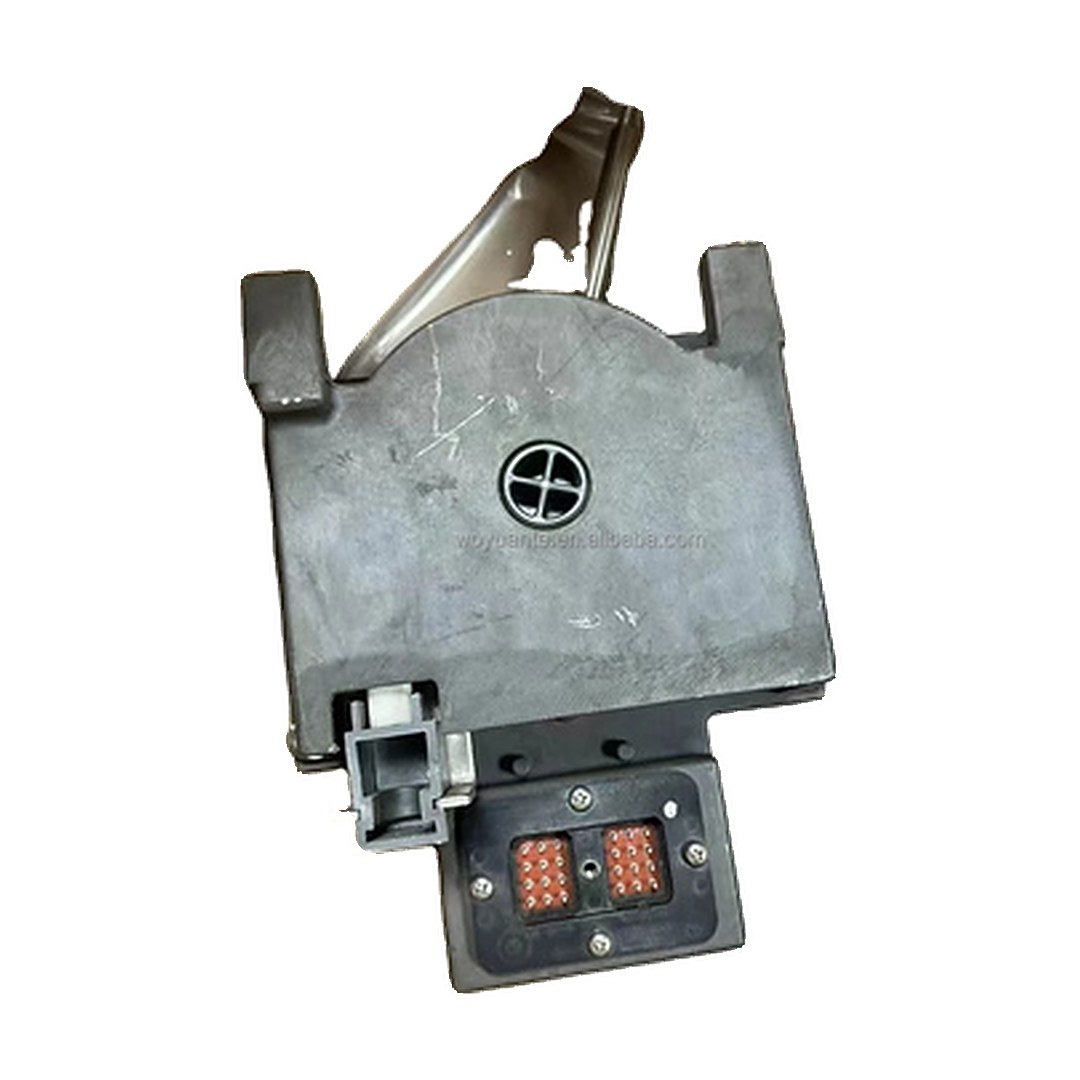
Circle drive 4529831 Excavator Accessories Grader 120K 140K Transmission Controll - play is measurable, not a feeling
Blade wander on a straight cut means the circle is rocking or the drive backlash is open. Measure both: vertical lift at the circle rim against the drawbar, and rotational backlash between pinion and ring. Wear plates take up light wear through adjusting shims - this is a planned, cheap intervention that most fleets skip until the pinion teeth suffer.
Once backlash is beyond the shim range, replace the pinion and ring gear as a matched set. A new pinion on a worn ring gear howls and wears out in a season. Grease the circle teeth on schedule and clean the grease point first - laterite in the grease gun is a direct injection of abrasive.
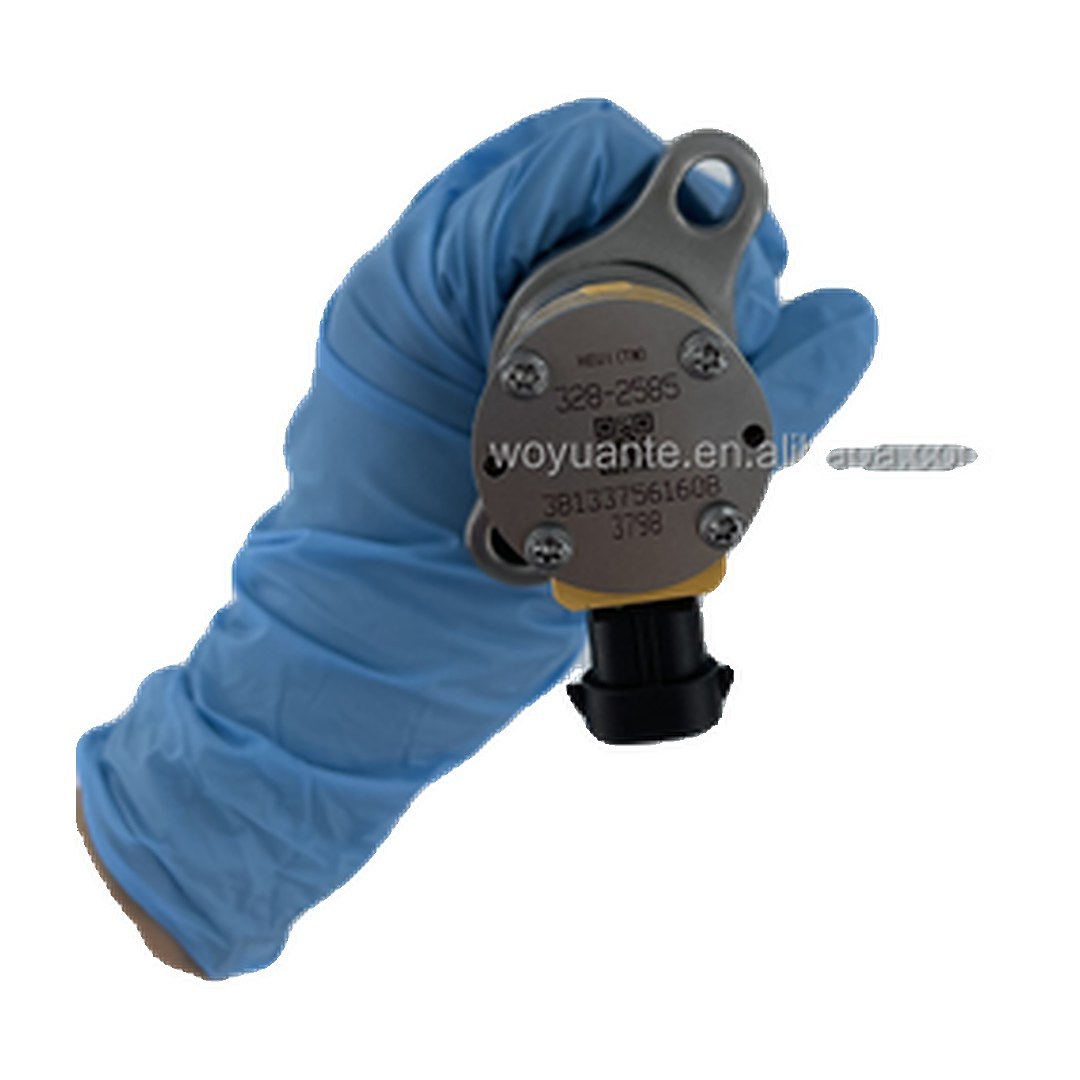
Cutting edges and end bits 328-2585 328-2585 Fuel Injector Suitable for CAT C7 Engine M325D MH E - laterite wear rates
Practical numbers from the region: an edge that lasts 800 hours on mixed gravel lasts 400 to 550 hours on dry laterite and black cotton crust. Measure edge height every 200 hours on a grader, not 250 - edges are the whole working surface of this machine.
Reversible edges should be flipped at half wear to recover 30 to 40 percent of life. Replace end bits before the moldboard corner itself starts to wear - a rounded corner costs a moldboard repair that runs to many times the price of end bits.
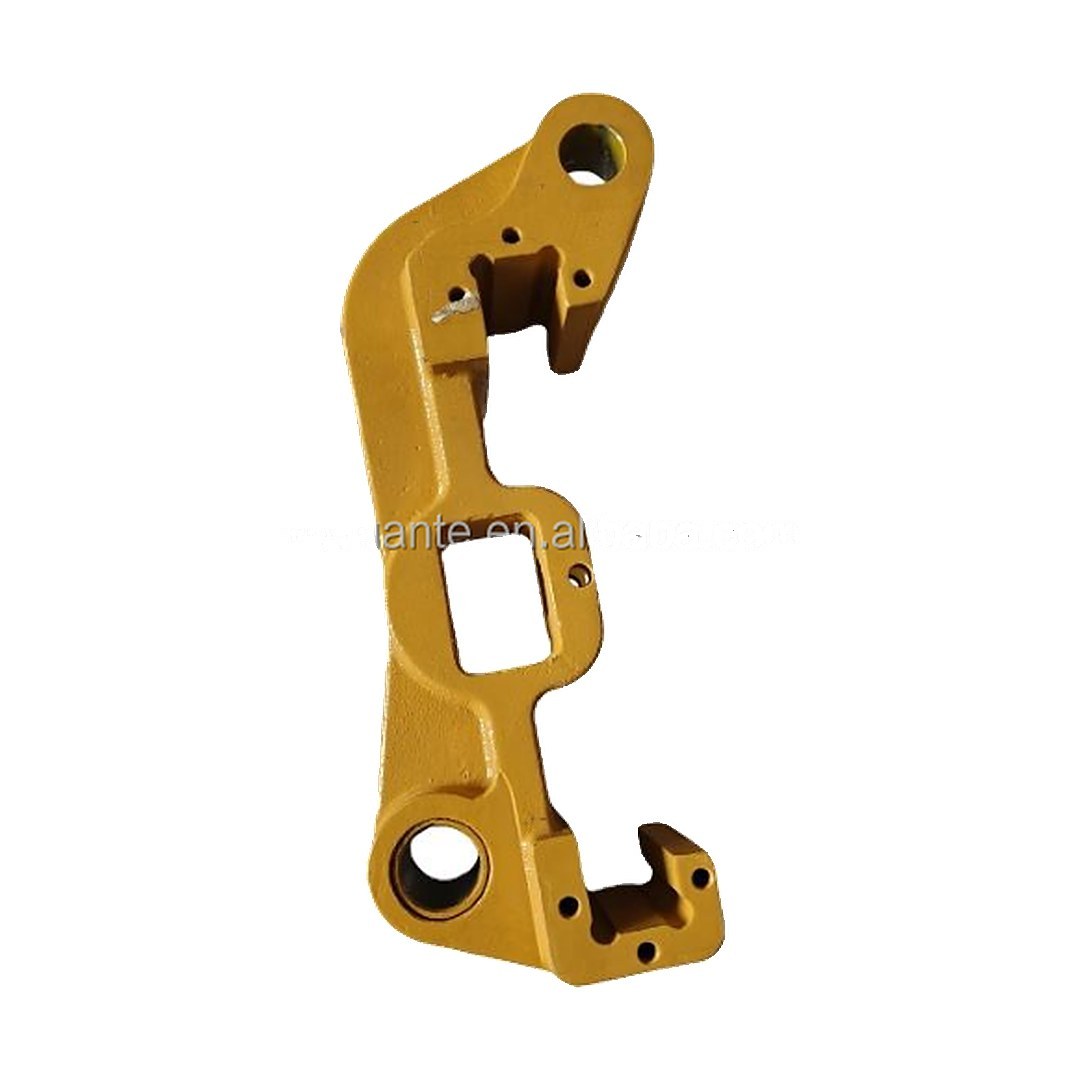
Lift, lean and sway cylinders 3387450 Frame 3387450 Suitable for CAT 140K Construction Machinery P - drift ruins the grade
On a grader, cylinder drift is not a comfort issue - it is the grade. A lean cylinder that creeps 5 millimetres per kilometre destroys the crown the operator just cut. Test each cylinder: raise or lean the blade, shut down, mark and measure over ten minutes.
Drift within the first minute means the piston seal; later drift means a holding valve. Reseal only if the rods are not scored, replace the wipers with the kit, and wipe the rods daily. A grader parked with the blade down collects dust on the rods overnight - park with the blade up when the yard allows it.
Moldboard and slides 151-9385 120k 140k 160k for Cat Monitor Panel 151-9385 Display - the hidden wear bill
Behind the blade hardware, the moldboard slide strips and the nose roller wear quietly. Symptoms: the blade will not shift side to side smoothly, or the moldboard tilts with play. Slide strips are cheap and should be replaced as soon as the side shift feels tight or loose; a seized slide under load bends the shift cylinder.
Check the circle wear plates, the drawbar ball joints and the nose roller in the same service. Grouping these checks into one service saves the labour cost of doing them one at a time by breakdown.
Hydraulic pump and steering 131-3736 CAT 140K Tie Rod End 131-3736 325-6211 1313736 3256211 for M - pressure first
Slow circle rotation and heavy steering together usually mean one thing: main pump or priority valve pressure below specification at working temperature. Measure main and steering priority pressure before ordering parts - on these machines the orbital steering unit is often blamed when the real cause is a tired priority valve or a clogged suction screen.
When the pump is replaced, flush the circuit and fit new filters and a new breather. Road grading in dry season dust is the same contamination regime as quarry work.
Common parts and lead times
| Area | Typical part number | Sensible stock | Lead time from China |
|---|---|---|---|
| Circle drive pinion / gear | 4529831 | 1 per 6 machines | 10 to 18 days |
| Cutting edge / end bit | 328-2585 | 2 sets per machine | 10 to 18 days |
| Cylinder seal kit | 3387450 | 2 sets per machine | 5 to 10 days |
| Moldboard slide strip | 151-9385 | 1 set per machine | 7 to 14 days |
| Hydraulic pump | 131-3736 | 1 per 10 machines | 10 to 18 days |
For Nairobi and Dar es Salaam, air freight carries edges and seal kits comfortably; circle gear sets and pumps move by air when a machine is down. Hold the per machine list fixed and reorder against wear measurements, not breakdowns.
FAQ - 140K in Kenya and Tanzania
Can I shim the circle instead of replacing the gear?
Yes, if the play is within the shim range. Measure circle lift and pinion backlash first. Beyond the shim range, replace the pinion and ring gear as a matched set - a new pinion on a worn ring fails within a season.
How often do cutting edges last on laterite?
Plan 400 to 550 hours on dry laterite against 800 on mixed gravel. Measure every 200 hours, flip reversible edges at half wear, and replace end bits before the moldboard corner wears.
Why does the blade creep down during grading?
Cylinder drift. Test each cylinder with the engine off - drift within one minute means the piston seal, later drift means a holding valve. On a grader this directly ruins the road crown, so treat it as urgent.
Is heavy steering always the orbital unit?
No. Measure main and steering priority pressure at working temperature first. A tired priority valve or a clogged suction screen mimics orbital unit failure at a fraction of the cost to check.
Need a quote and lead time for 140K parts?
Send the machine serial number and part numbers. We reply within 24 hours with price, stock and air or sea transit time to Nairobi or Dar es Salaam.

WhatsApp +86 139 2519 9399 · Scan and send part numbers directly on WhatsApp Send a message