CAT 24M Motor Grader Parts - End Bit, Circle Bushing, Pin Assembly, Spline Gear and Turbocharger Wear List for Zambia and DRC
Why copperbelt graders eat the blade and the circle
A haul road on a copper mine is not a road, it is a wearing surface. Laterite is abrasive, it turns to slurry in the rainy season and to dust in the dry season, and 240 tonne trucks polish it into corrugations within a week. The grader cuts those corrugations all day, every day.
The real chain: end bits wear past the wear line, the moldboard starts cutting with the corner, the operator pushes harder and angles the blade more aggressively, the circle drive takes shock load, the bushings wear, circle play appears, the blade chatters and leaves a washboard surface, the operator works the hard face to compensate, the spline gear strips, and meanwhile the C18 turbo has been eating dust from a filter housing that does not seal. The expensive loss is not the end bit. It is a haul road that destroys truck tyres and slows the whole fleet.
| Item | Symptom on site | Free first check | Usual action |
|---|---|---|---|
| End bit | Rounded corners, poor cutting | Measure thickness at wear line | Rotate or replace |
| Circle bushing | Circle play, blade chatter | Lift the circle and measure play | Replace bushings |
| Pin assembly | Loose blade group, noise | Check pin and bore clearance | Replace pins and sleeves |
| Spline gear | Circle will not hold position | Inspect spline for step wear | Replace gear |
| Turbocharger | Low boost, black smoke | Shaft play and boost pressure | Replace turbo |
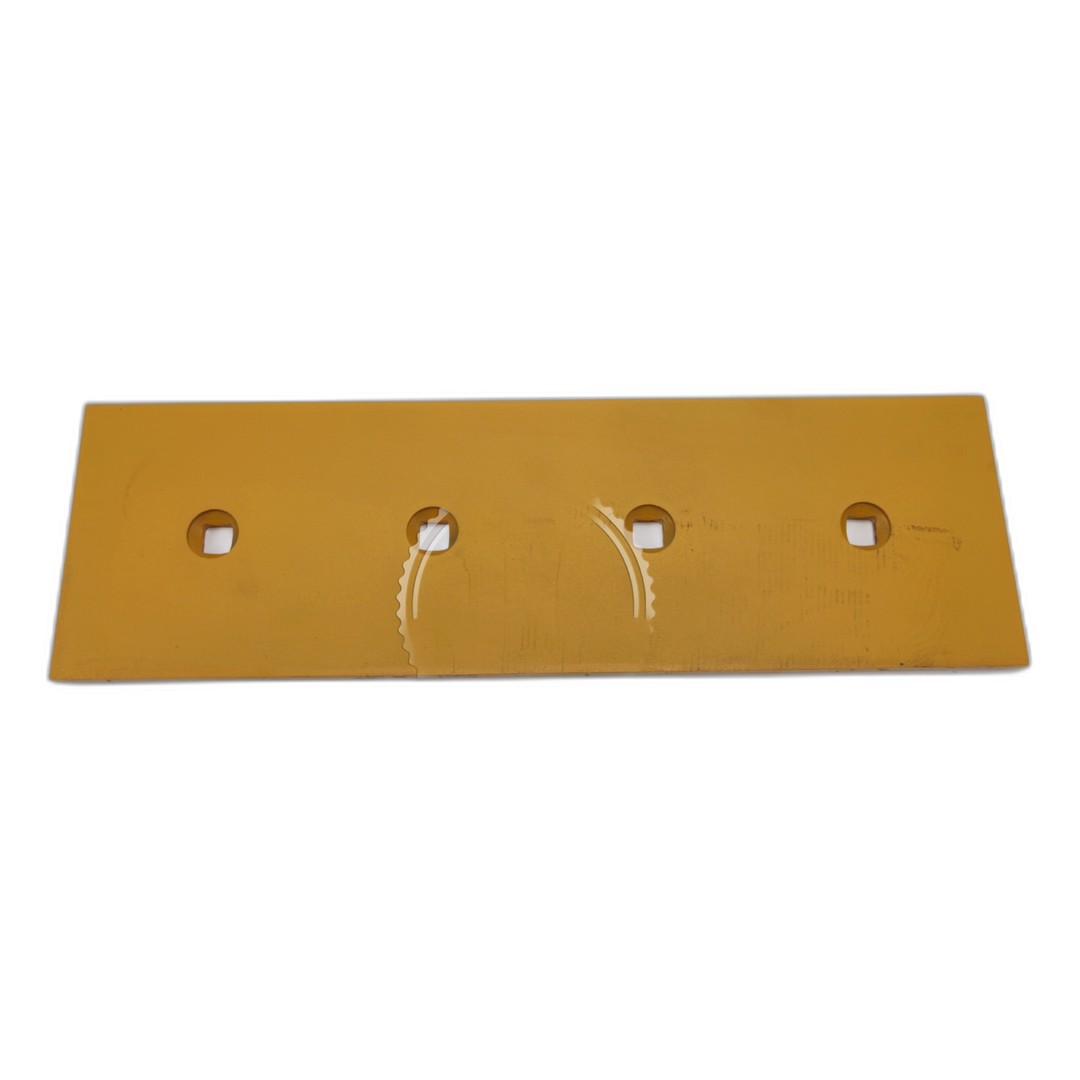
End bit 109-3118: rotate before you replace
109-3118 end bit covers the outer ends of the 24M moldboard. End bits do most of the cutting on a crowned haul road, so they wear faster than the centre edges and they wear unevenly.
The discipline that saves money: measure thickness at the wear line every 250 hours, rotate the bits end for end, and replace when both ends reach the limit. Rotating a matched pair doubles life for the cost of labour. Replacing early wastes steel, replacing late wears the moldboard itself.
Use new plow bolts, and retorque after the first shift. A loose end bit hammers its bolt holes oval and then no amount of torque will hold it, which is how a moldboard gets scrapped.
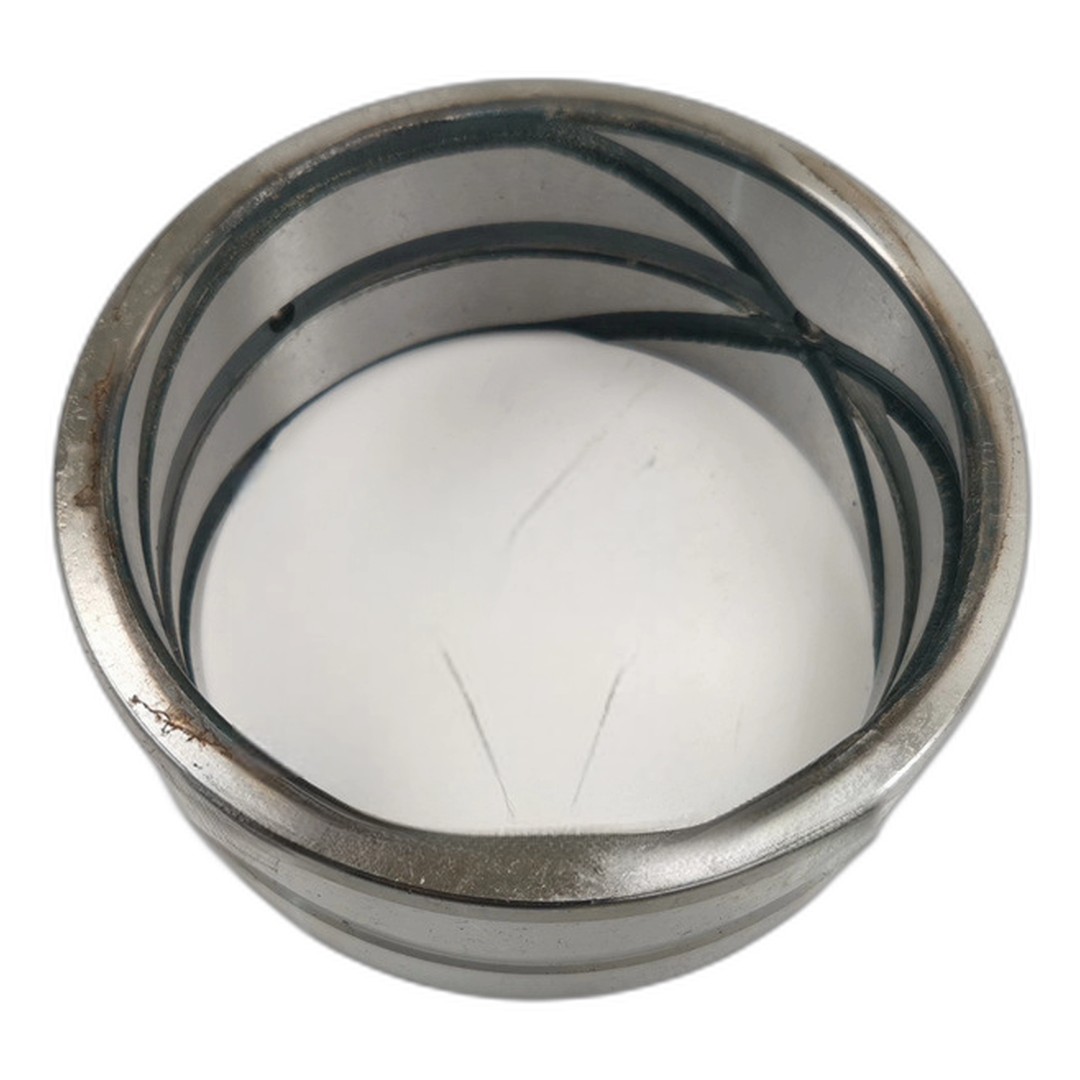
Circle bushing 516-6822: chatter is a measurement, not a feeling
516-6822 circle bushing is one of the wear sleeves that keep the 24M circle tight in its shoe. When these wear, the circle lifts and tilts under load and the blade leaves a washboard surface that the operator cannot trim out.
Measure the play. With the blade clear of the ground, lift the circle with a bar and measure vertical movement at the circle. Then check lateral play by pushing the blade side to side with the circle clamp released. Compare with specification. Any visible step on the bushing surface means replacement.
Replace bushings as a full set and check the circle gear teeth at the same time. New bushings on a worn circle will wear out quickly, and a worn circle is a machine shop job that removes the grader from the fleet for weeks.
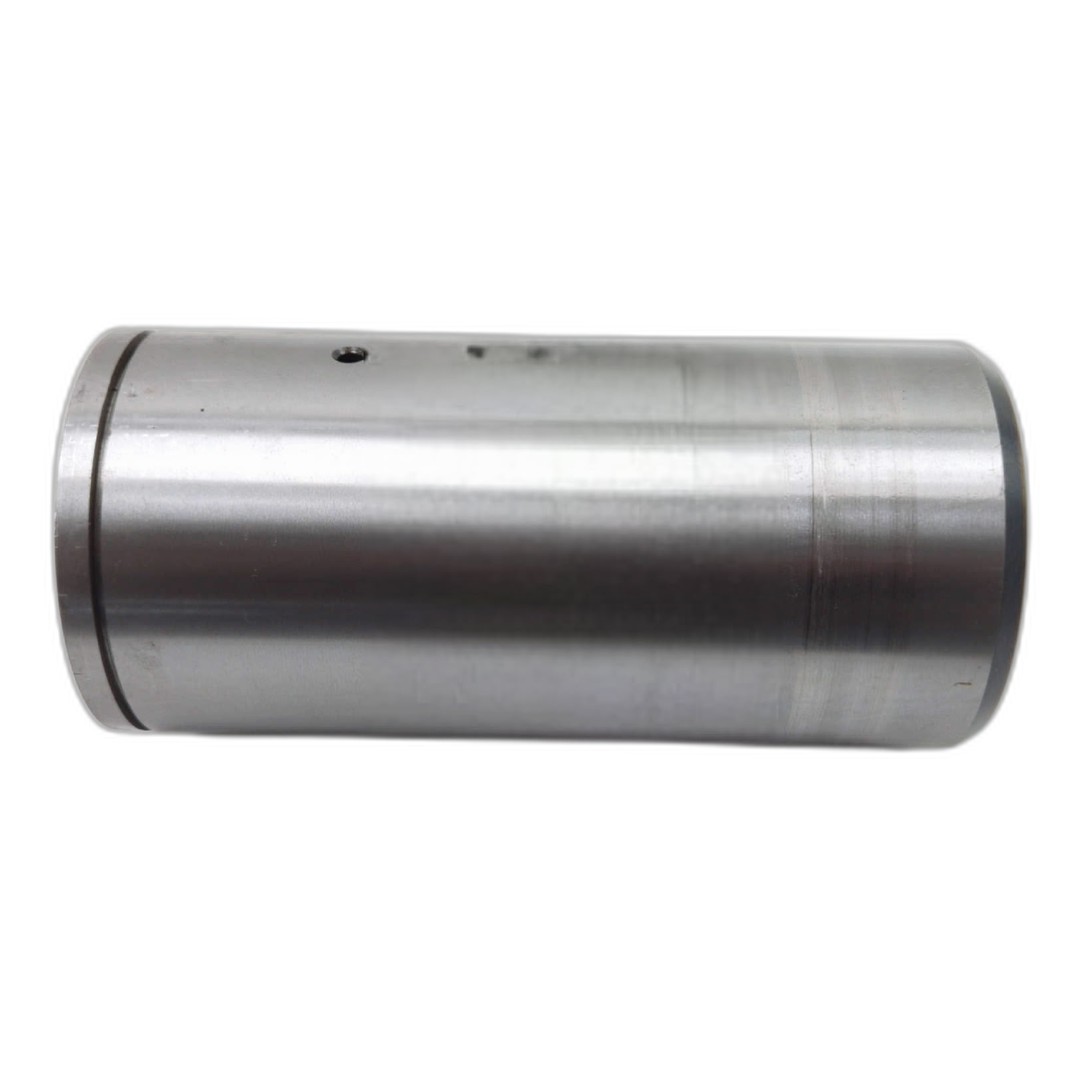
Pin assembly 117-2176: the loose joint that cracks a blade group
117-2176 pin assembly locates the blade group on the 24M. A worn pin does not fail immediately. It lets the group move, and movement turns into impact, and impact cracks castings.
Three checks. Look for rust trails and shiny witness marks around the pin bosses, which show movement. Check pin and bore clearance with a feeler or by rocking the group. Listen for a knock when the blade is loaded and released. Any of the three means the joint needs work.
Replace pins and sleeves together, never one without the other. A new pin in a worn bore will be loose again in weeks, and the next stage is a cracked boss that needs line boring.
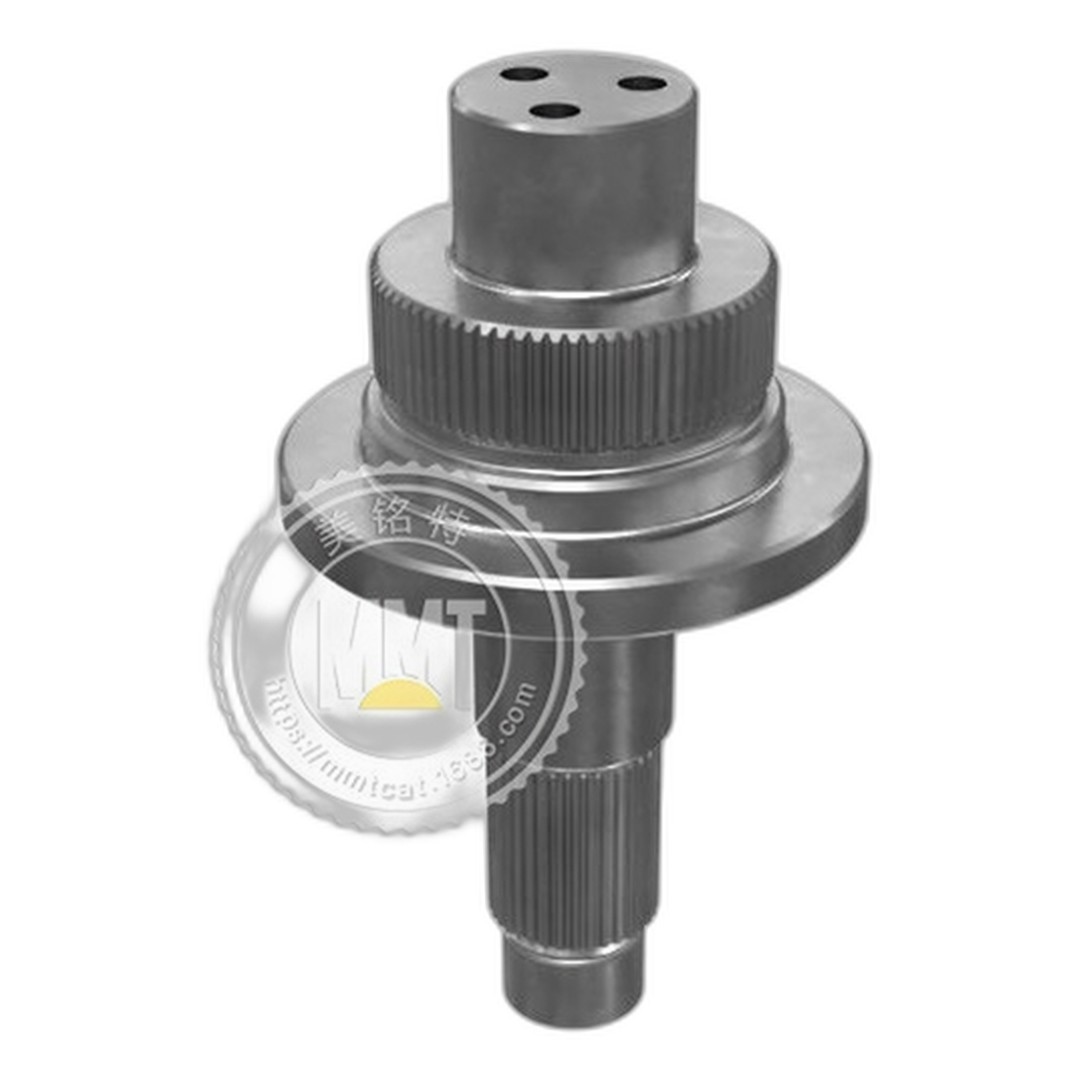
Spline gear 307-1965: the part that stops the grader working
307-1965 spline gear is part of the 24M circle drive. Once the spline wears to a step, the circle will not hold position under load and the operator loses side shift control, which ends haul road maintenance for that machine.
Inspect the spline for a visible step and for fretting marks. A step means replacement, not adjustment. Also check the drive motor output shaft, because a worn motor spline destroys a new gear in days, and check the circle clamp for correct adjustment, since a loose clamp is what overloads the spline.
Assembly note: grease the spline with the specified molybdenum grease, not general purpose grease, and verify full engagement before torquing. Partial engagement is the most common cause of a repeat failure within a month.
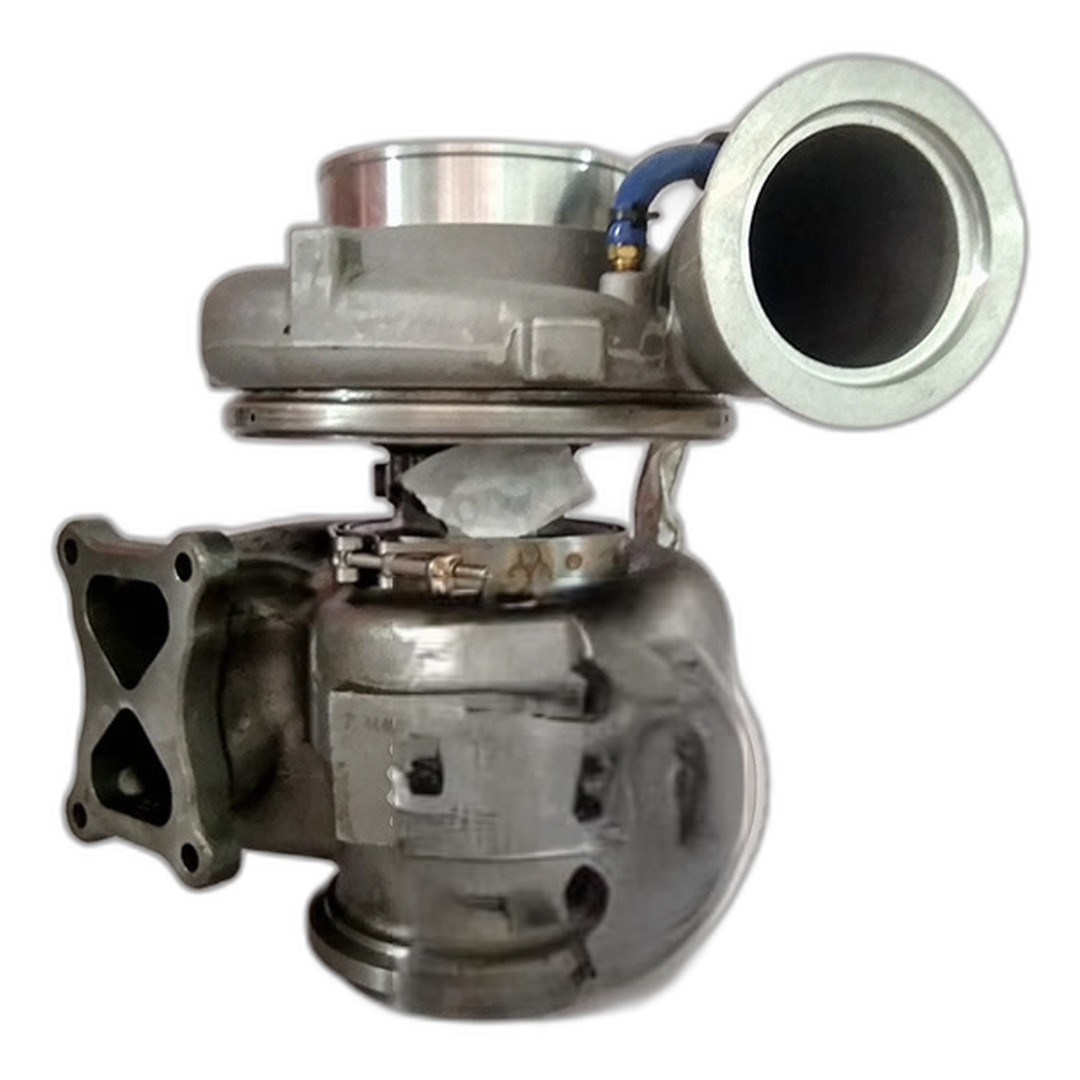
Turbocharger 296-7636: dust, heat and shutdown habits
296-7636 turbocharger serves the C18 engine in the 24M. Two failure modes dominate in the copperbelt: dust passing a filter housing that does not seal after repeated service, and heat soak after a long shift with an immediate shutdown.
Diagnose before replacing. Check radial and axial shaft play; contact between wheel and housing means replacement now. Look for oil mist at the compressor outlet, which indicates seal failure. Compare boost pressure under load with specification; low boost with a healthy turbo usually means a leaking charge air hose or a blocked cooler.
Every replacement includes new oil and filters, a cleaned oil feed line, a verified sealed air filter housing and a cool down habit. In copperbelt fleets the most common repeat failure is the feed line that was never cleaned.
Parts selection and shipping to Zambia and the DRC
Mine operators in the copperbelt buy on machine availability, not unit price. We supply 24M end bits, circle bushings, pins and sleeves, spline gears and turbochargers as consolidated shipments from our Guangzhou warehouse. Air freight reaches Lusaka or Lubumbashi in 5 to 8 days; sea LCL takes 30 to 40 days to Dar es Salaam or Durban, with road freight onward to the Copperbelt.
To quote correctly we need three things: machine serial number, photo of the old part or nameplate, and a description of the symptom and where it happens. The serial number resolves the circle drive variant, the photo prevents same number different generation mistakes, and the symptom tells us whether a single part or a matched set is the right answer. With all three, quotation goes out the same day.
Parts statement: we supply aftermarket parts suitable for Caterpillar machines, not genuine Caterpillar parts. Part numbers are used for cross reference and identification only; final confirmation is by machine serial number and the old part nameplate. Cutting edges are hardness checked and hydraulic and turbo components are pressure tested before packing.
Frequently asked questions about Cat 24M motor grader parts
How long do 24M end bits last on a copperbelt haul road?
It depends on material and operator technique, so measure instead of assuming. Record thickness at the wear line every 250 hours, rotate the bits end for end at the limit, and replace when both ends reach it. Rotation roughly doubles life for the cost of labour.
The blade chatters and leaves a washboard surface. Is it the operator?
Usually not. Chatter is circle play. Lift the circle with a bar and measure vertical movement, then check lateral play with the clamp released. Worn bushings let the circle tilt under load, and no operator technique can trim that out.
Can I replace only the worn pin and keep the sleeve?
No. Pins and sleeves wear as a pair. A new pin in a worn bore is loose within weeks, and the next stage is a cracked boss that needs line boring. Replace them together.
Circle will not hold position under load. Gear or clamp first?
Check the clamp adjustment first, because a loose clamp overloads the spline. Then inspect the spline for a step. A step means replacement, and the drive motor shaft must be checked at the same time, since a worn shaft destroys a new gear in days.
Send the serial number, confirm fitment today
Aftermarket cutting edges, circle drive and turbo parts for the Cat 24M grader, in stock and shipped from Guangzhou in 24 hours.

WhatsApp +86 139 2519 9399 · Or message us directly:WhatsApp quick quote