CAT 966G / 980G Wheel Loader Parts - Injector, Pump and Bucket Wear List for South Africa and Botswana
Why these older loaders fail in a fixed order
Highveld altitude reduces air density, so an older engine already running at its limit burns richer and carbons up faster. Combined with abrasive quartzite aggregate and long shifts, the wear sequence is set: fuel system first, hydraulic system second, ground engaging tools third.
The mechanism is simple. Worn injectors spray poorly, so fuel burns late, exhaust temperature rises and power drops. The operator compensates with more throttle, which raises hydraulic oil temperature. Hot oil thins, the pump loses volumetric efficiency, lift slows, and the operator crowds the pile harder, which finishes off the teeth and edge.
| Area | Symptom on site | First check (no cost) | Usual action |
|---|---|---|---|
| Fuel injector | Hard start, black smoke, high fuel use | Check exhaust colour and fuel pressure | Replace injectors as a set |
| Hydraulic pump | Slow lift, hot oil, noise | Measure main and pilot pressure | Replace pump, flush circuit |
| Bucket teeth and edge | Poor penetration, worn floor | Measure tooth length and edge height | Replace teeth, flip or replace edge |
| Transmission | Harsh shift, slipping in second | Check oil level, colour and filter | Change oil and filter, check pressures |
| Cooling package | Overheat on load | Look through fins against light | Clean or replace core |
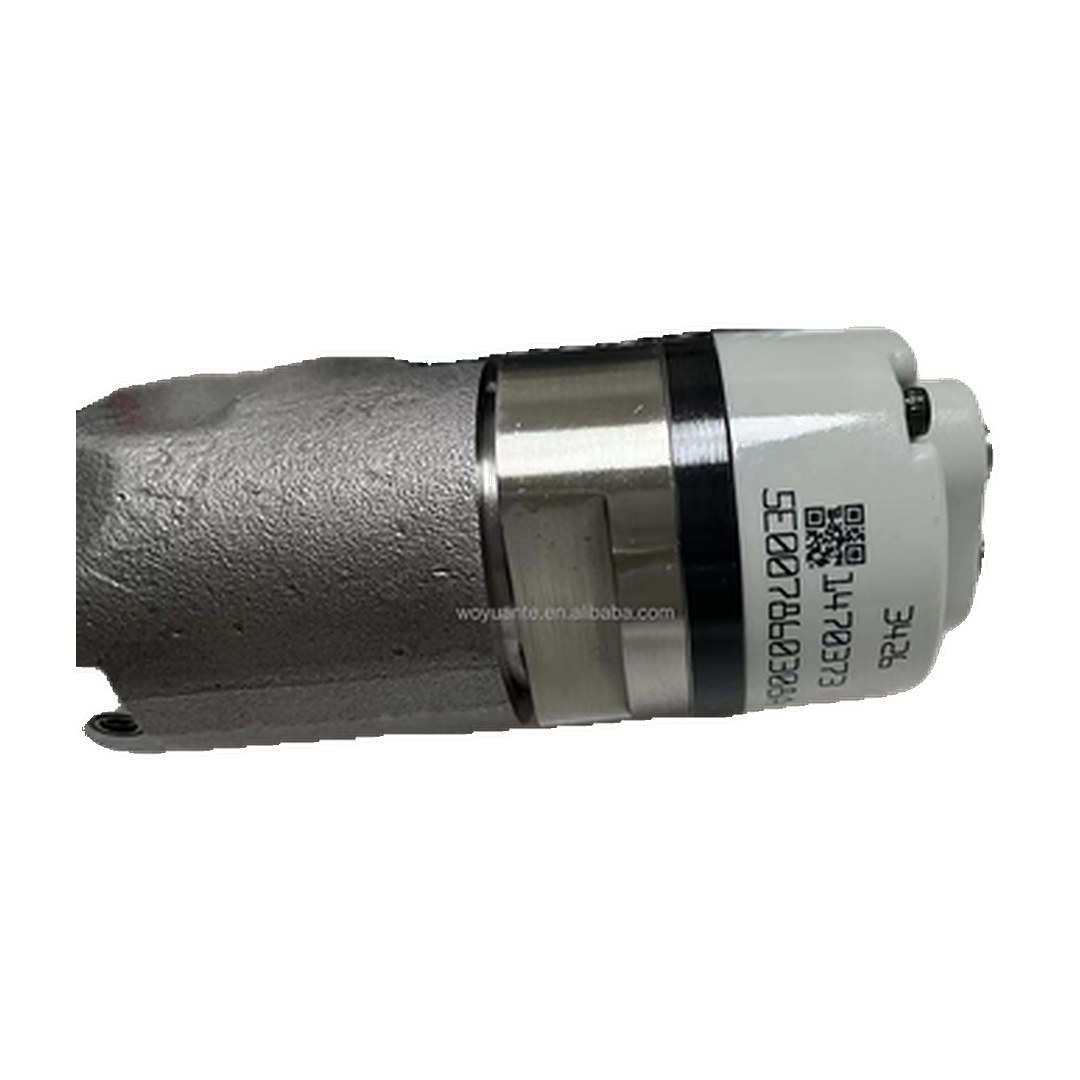
Injectors 122-1486 Fuel Injector Wiring Harness 122-1486 425-6526 Suitable for - replace as a set, not one at a time
On a high hour 966G or 980G, replacing one injector at a time is false economy. The remaining injectors are at the same wear stage, so the next one fails within weeks and the machine is down again. Replace the set, clean the fuel tank, and change both fuel filters in the same job.
Diagnosis before spending: check for black smoke under load, hard cold starting, fuel consumption up by more than 10 percent, and a misfire that clears when warm. If two or more of these are present, injectors are the likely cause. Also check the fuel transfer pump and the return line restriction - a weak transfer pump mimics injector failure.
Set the valves and check the air filter restriction at the same time. Altitude already costs power; a restricted filter costs more.
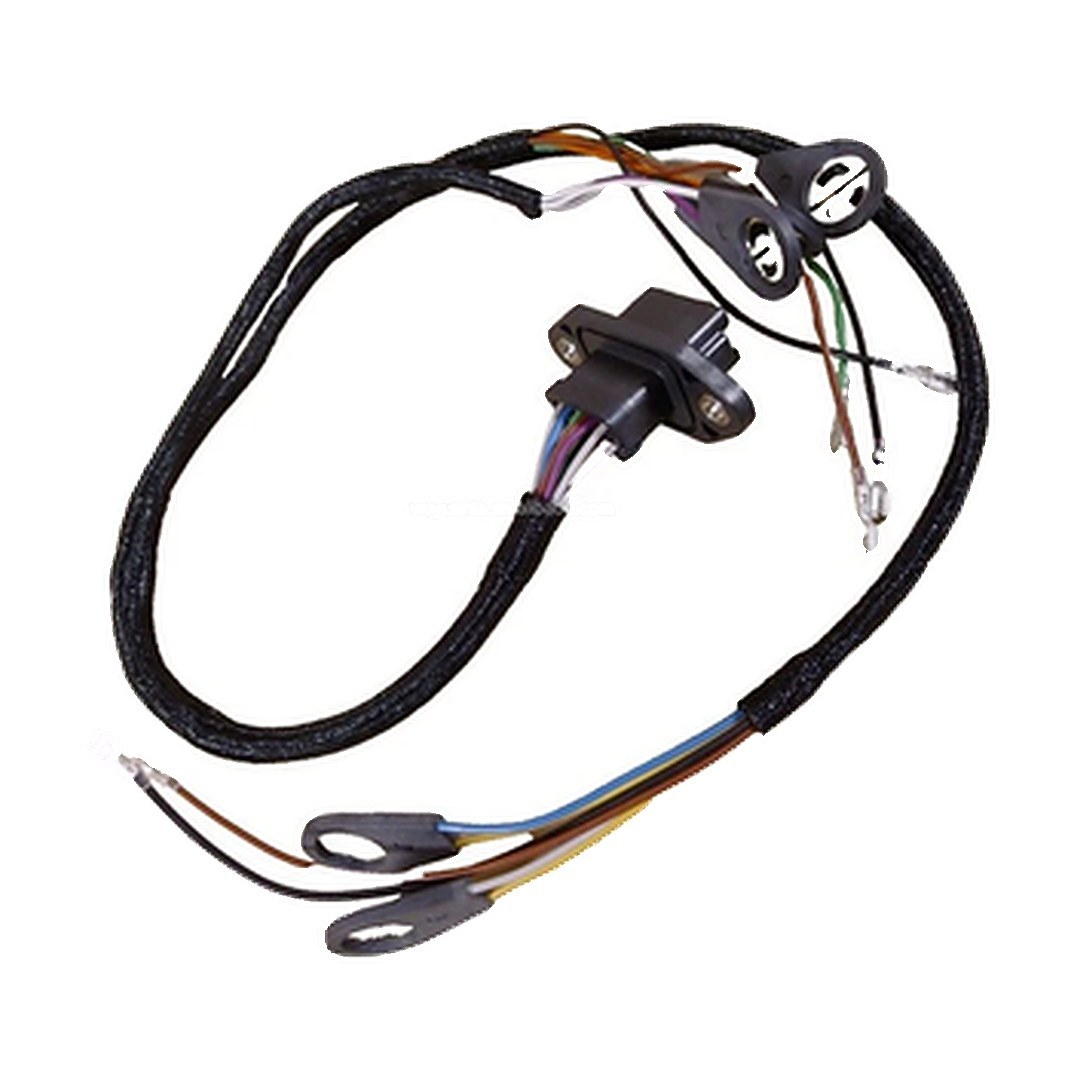
Hydraulic pump 1470373 1470373 EUI Fuel Injector Fit Suitable for CAT C12 980G Load - pressure first, parts later
Measure main relief pressure at working temperature, then pilot pressure, then flow. Pressure at specification with falling flow means pump wear. Pressure below specification means relief valve or pump control. Pilot pressure low means check the pilot pump and filter first.
When the pump is replaced, flush the circuit, replace every filter and clean the reservoir. On quartzite sites, check the breather as well: dust pulled in through a tired breather is the most common reason a new pump fails early.
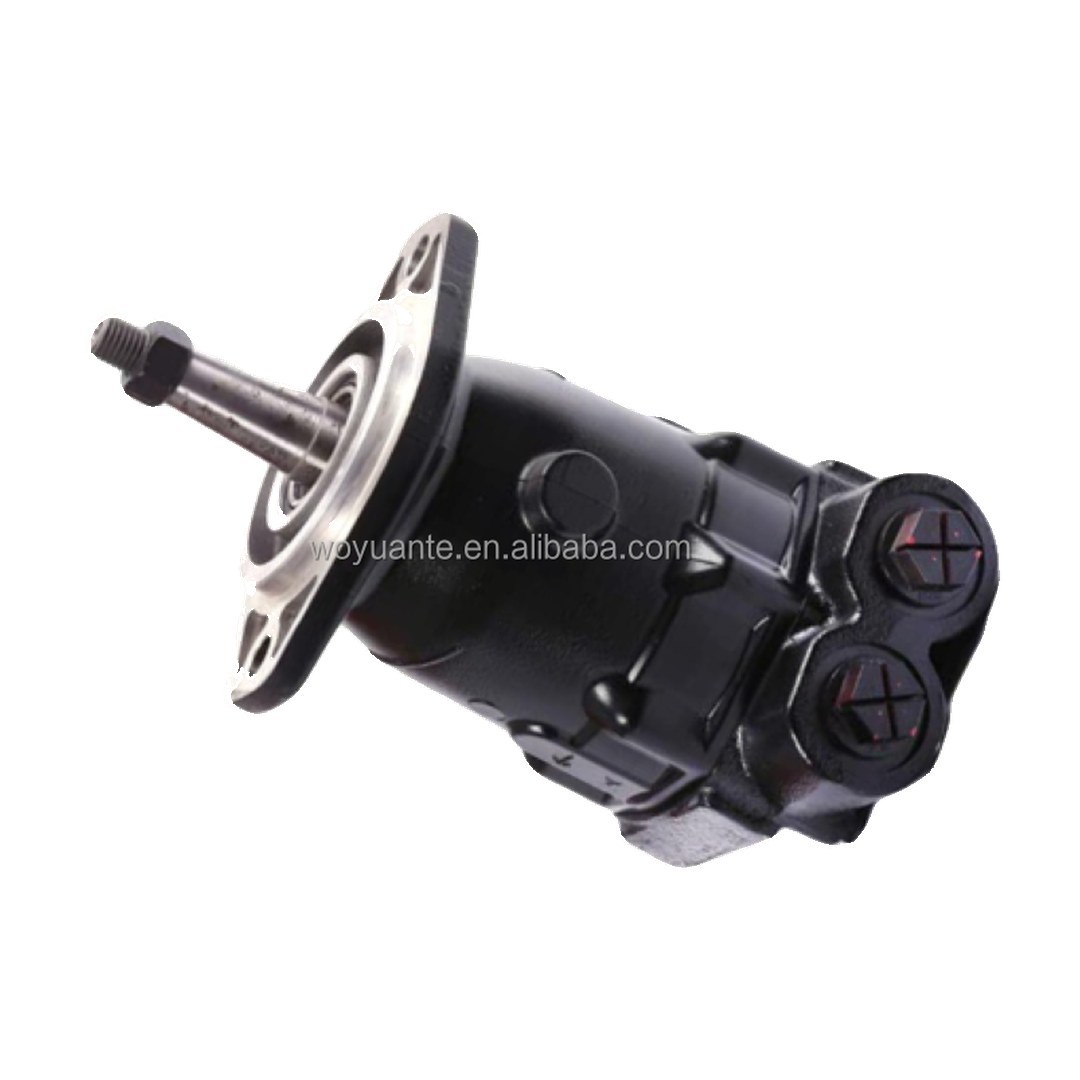
Bucket teeth and edge 1618919 Hydraulic Fan Motor 161-8919 1618919 Suitable for Caterpilla - quartzite wear rates
Quartzite and granite aggregate in Gauteng and North West province is significantly more abrasive than limestone. Practical numbers from the region: an edge that lasts 900 hours in limestone lasts 450 to 600 hours in quartzite. Measure tooth length and edge height every 250 hours.
Replace teeth before the adapter wears round. A worn adapter cannot hold a new tooth, and replacing an adapter costs several times a tooth. Flip a reversible edge at half wear to recover 30 to 40 percent of its life.
Transmission and cooling 1439722 Suitable for Caterpillar 980G Wheel Loader Piston Pump Hydra - heat is the shared cause
Harsh shifting and slow lift often share one cause: heat. Clean the cooling package every 250 hours, check the fan drive and belt, and confirm the transmission oil cooler is not bypassing. Transmission oil that smells burnt has already lost its friction modifiers.
Change transmission oil and filters on condition, and check the suction screen for clutch material. A screen with friction material means a clutch pack is going and the machine should be planned out of service before it fails in the stockpile.
Wear parts planning 1292413 Suitable for Caterpillar 980G WHEEL LOADER GP-PSF Hydraulic - stock against the trend
These machines are typically 12000 to 20000 hours old in this market, so failures arrive in clusters. Track consumption per machine and order against the wear trend rather than against the breakdown. Air freight from China to Johannesburg takes 7 to 12 days plus clearance; for Botswana add the Gaborone leg.
A simple sheet with hours, oil sample results and wear measurements per machine is worth more than any single spare part, because it turns reactive buying into planned buying.
Common parts and lead times
| Area | Typical part number | Sensible stock | Lead time from China |
|---|---|---|---|
| Hydraulic pump | 1470373 | 1 per 6 machines | 7 to 12 days by air |
| Fuel injector | 122-1486 | 1 engine set per machine | 5 to 10 days |
| Bucket tooth | 1618919 | 1 set per machine | 7 to 15 days |
| Cooling core | 1439722 | 1 per 10 machines | 12 to 20 days |
| Transmission filter kit | 1292413 | 2 kits per machine | 5 to 10 days |
FAQ - 966G / 980G in South Africa and Botswana
Can 966G and 980G injectors be interchanged?
No. The two models use different engine ratings and injector settings, and Series II machines differ again. Confirm by serial number and by the number stamped on the old injector.
Is it acceptable to replace one injector only?
It is possible but rarely economical on a high hour machine. The remaining injectors are at the same wear stage, so the next failure usually follows within weeks. Replace the set and change both fuel filters.
Why does lift get slow when the engine is hot?
Hot oil thins and the pump loses volumetric efficiency. Clean the cooling package first, confirm the oil grade, then measure main and pilot pressure at working temperature before replacing the pump.
How often should bucket teeth be checked?
Every 250 hours, by measuring tooth length and edge height. Replace teeth before the adapter wears round, and flip a reversible edge at half wear.
Need a quote and lead time for 966G / 980G parts?
Send the machine serial number and part numbers. We reply within 24 hours with price, stock and air or sea transit time to Johannesburg, Durban or Gaborone.

WhatsApp +86 139 2519 9399 · Scan and send part numbers directly on WhatsApp Send a message