CAT 988K Wheel Loader Parts - Hydraulic Cylinder, Bucket Tooth, Pin and Oil Cooler Wear List for Chile and Peru Copper Mines
Why copper mine loaders destroy the bucket before the hydraulics
Copper ore in northern Chile and southern Peru is hard, abrasive and often blasted to a coarse fragmentation. A 988K loading a 777 does 4,000 to 6,000 bucket cycles a day, and every cycle puts the teeth into a muck pile that behaves like grinding paste.
The real failure chain: teeth wear to a blunt profile, penetration resistance rises, the operator crowds the pile harder, the bucket and lip take shock loads, adapters and lip crack, pin joints develop play, the boom and linkage absorb impact instead of the bucket, cylinder rods take side load and score, seals fail, the bucket drifts and drops material on the haul road, and the oil cooler chokes with silica dust raising oil temperature across the whole circuit. The hidden cost is cycle time: a blunt bucket adds two to three seconds per pass, which is hundreds of tonnes a shift.
| Item | Symptom on site | Free first check | Usual action |
|---|---|---|---|
| Bucket tooth | Poor penetration, rounded tip | Measure wear length against new | Rotate or replace teeth |
| Lift cylinder | Drift under load, oil at rod | Time the drift with bucket loaded | Reseal or replace |
| Tilt cylinder | Bucket will not hold angle | Check rod for scoring | Reseal or replace |
| Pin assembly | Knock on crowd, play in joint | Pry test radial play | Replace pin and bushing |
| Oil cooler | Oil temperature high, slow cycle | Measure inlet and outlet temperature | Clean or replace core |
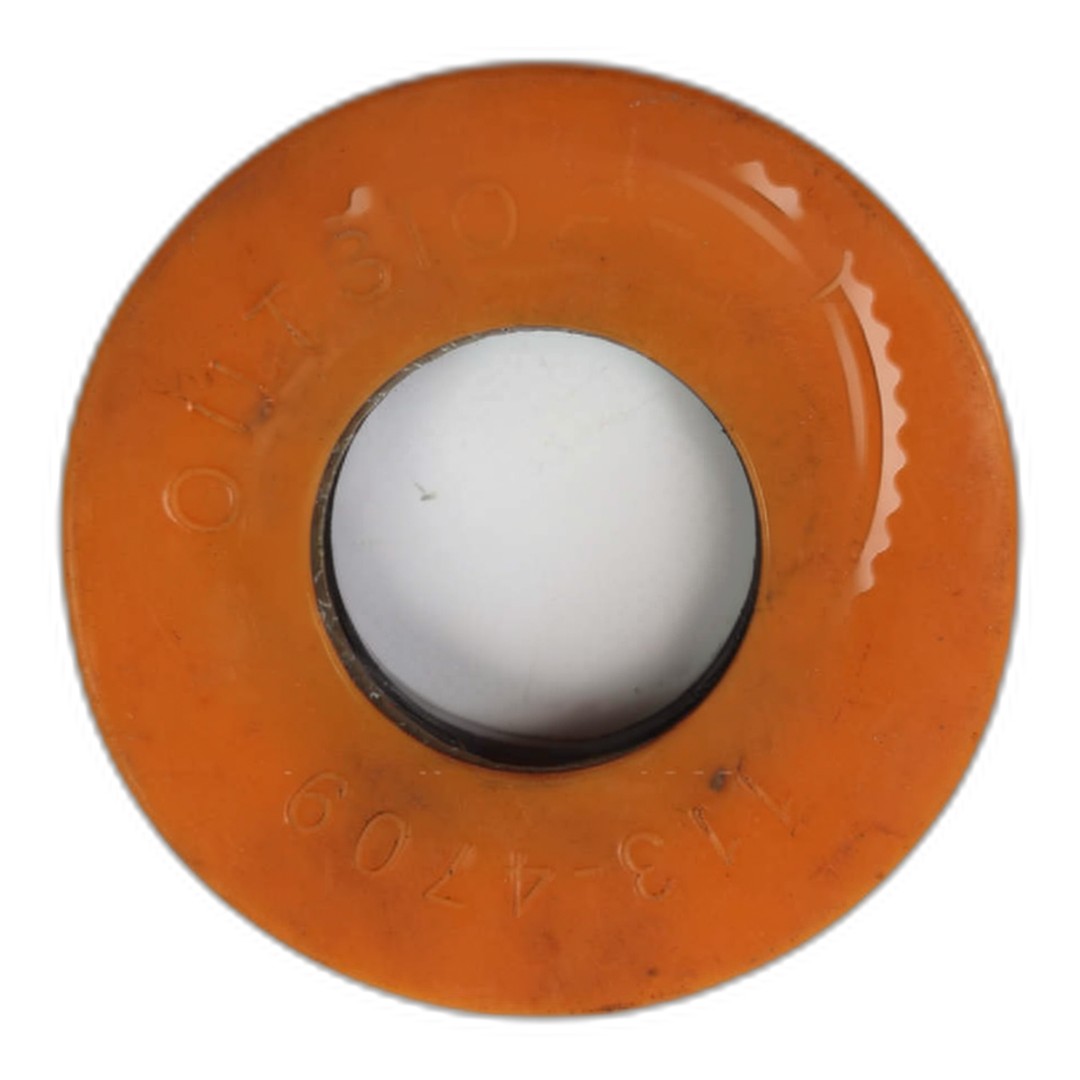
Bucket tooth 113-4709: the cheapest cycle time you can buy
113-4709 bucket tooth is the standard tooth for the 988K and 988H bucket family, also used on the 374D. In copper ore the tooth wears from the tip backwards, and the shape of the wear matters more than the length.
Read the wear profile: even tip wear means good practice and normal replacement; wear on one side only means the operator is loading from one direction and the adapter is taking side load; hollow wear under the tip means the tooth is being used to pry and it will break before it wears out. Replace at about 70 percent of usable length, not when the adapter is showing.
Two habits extend adapter life dramatically: rotate teeth between positions when wear is uneven, and check adapter fit at every tooth change. A loose adapter hammers the lip and a cracked lip is a welding job measured in days, not hours.
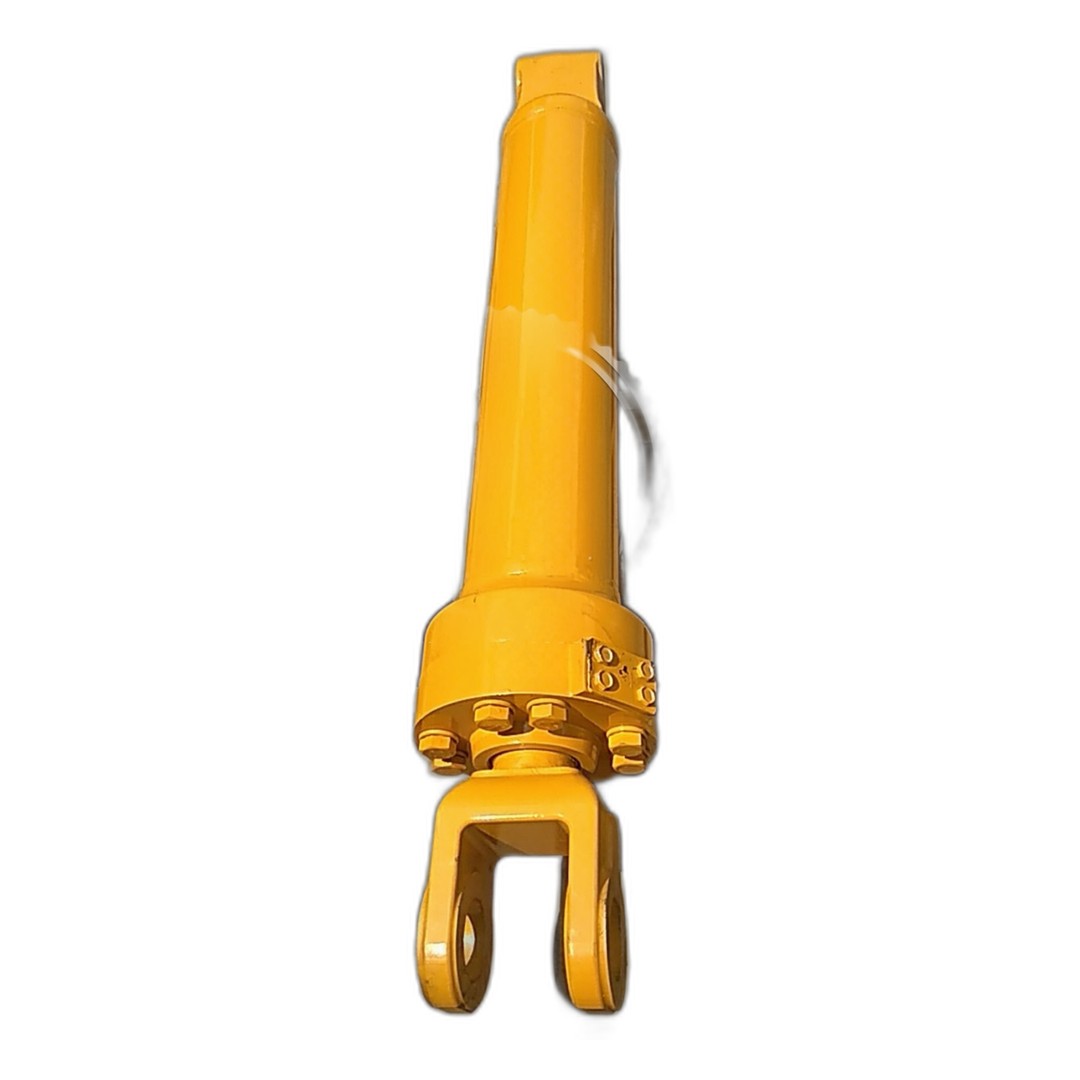
Lift cylinder 355-7378: drift is a production loss, not a nuisance
355-7378 hydraulic cylinder is the lift cylinder used on the 988K loader. When it leaks internally the boom settles while the loader is travelling with a full bucket, material spills on the haul road, and the operator compensates by holding the lever against the relief, which heats the oil.
Measure drift the same way every time: load the bucket, raise the boom to a marked height, stop the engine, and time the drop over one minute. Compare with specification. Fast drop with a dry rod means the piston seal is bypassing internally; fast drop with oil at the rod seal means the rod seal has failed; a rod that is scored or has chrome flaking will destroy any new seal within days.
Reseal or replace is a real decision. Reseal when the barrel is round, the rod is smooth, and the gland is undamaged. Replace when the rod is scored, the barrel is scored, or the cylinder has been repaired twice for the same fault. In copper mines, dust ingress through a damaged wiper is the usual root cause, so a new wiper is not optional.
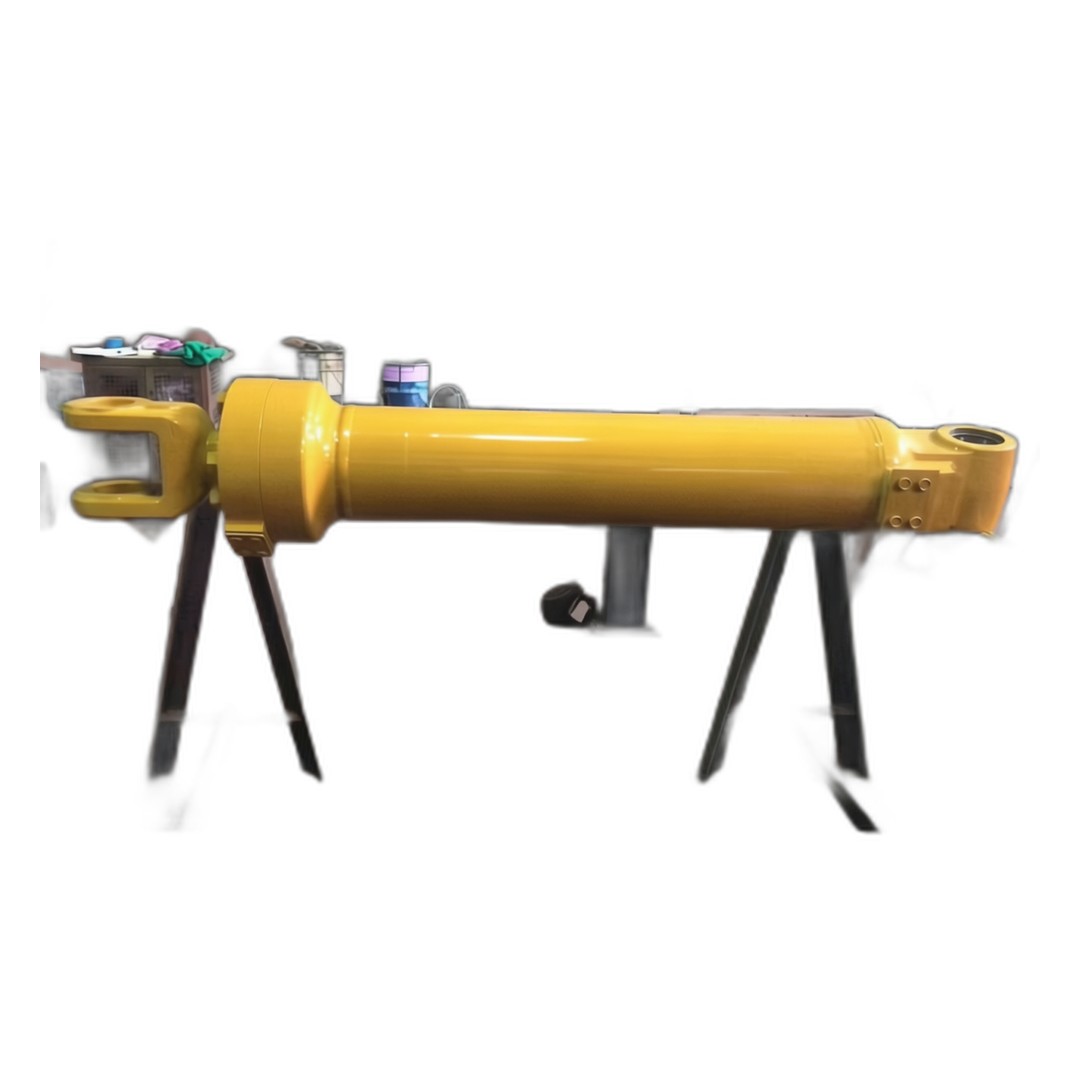
Tilt cylinder 381-3691: why the bucket will not hold its angle
381-3691 hydraulic cylinder controls bucket tilt on the 988K. Its failure mode is different from the lift cylinder: tilt works against a much higher pressure spike when the bucket is crowded into a muck pile, so the seal sees pressure peaks rather than steady load.
Symptoms progress predictably: bucket angle creeps while travelling, material spills over the back edge on the haul, the operator tilts back harder and the relief squeals, oil temperature climbs and cycle time drops. If only one cylinder of the pair leaks, the bucket tilts unevenly and the linkage takes a twisting load it was not designed for.
Always service tilt cylinders as a pair. Replacing one side leaves the other at a different internal leakage rate, and the resulting uneven load cracks linkage bosses. Check the linkage pin bores at the same time, because play there masks as cylinder drift.
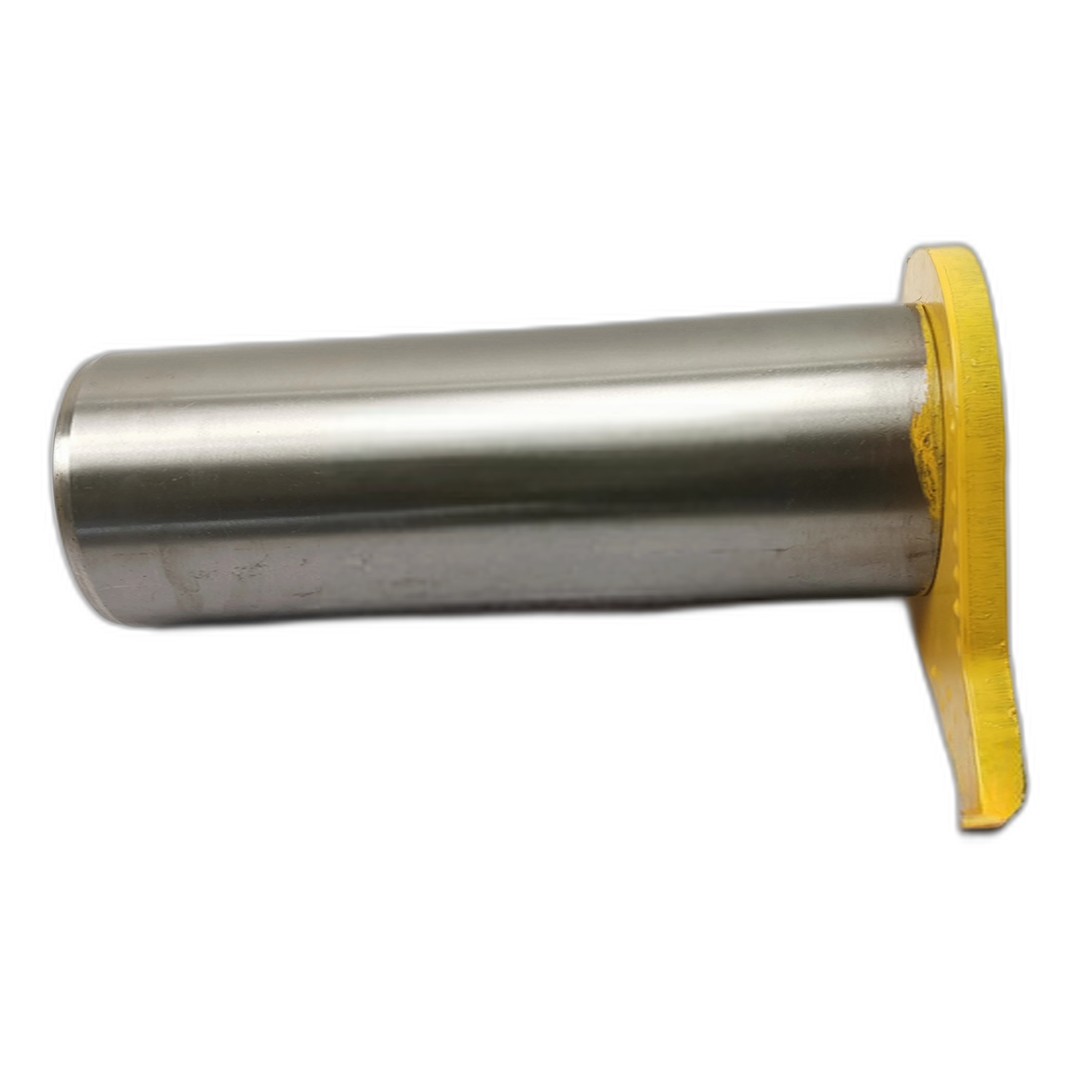
Pin assembly 347-4977: play is what breaks the boom
347-4977 pin assembly is used in the 988K and 988H loader linkage. Pins and bushings are the cheapest parts in the linkage and the most expensive to ignore, because play converts smooth hydraulic force into impact.
Field test in two minutes: lower the bucket to the ground, relax the hydraulics, and pry each joint with a bar. Any visible movement beyond specification means the pin and bushing are worn. Then look at the grease pattern: a joint that will not take grease is already worn, and a joint that pushes grease out at the side has lost its seal.
Replace pin and bushing together, never a pin into a worn bushing. Line bore only when the boss itself is oval, and ream to the correct fit afterwards. In high dust operations, shorten the grease interval rather than increasing grease quantity, because over greasing blows seals and lets dust in.
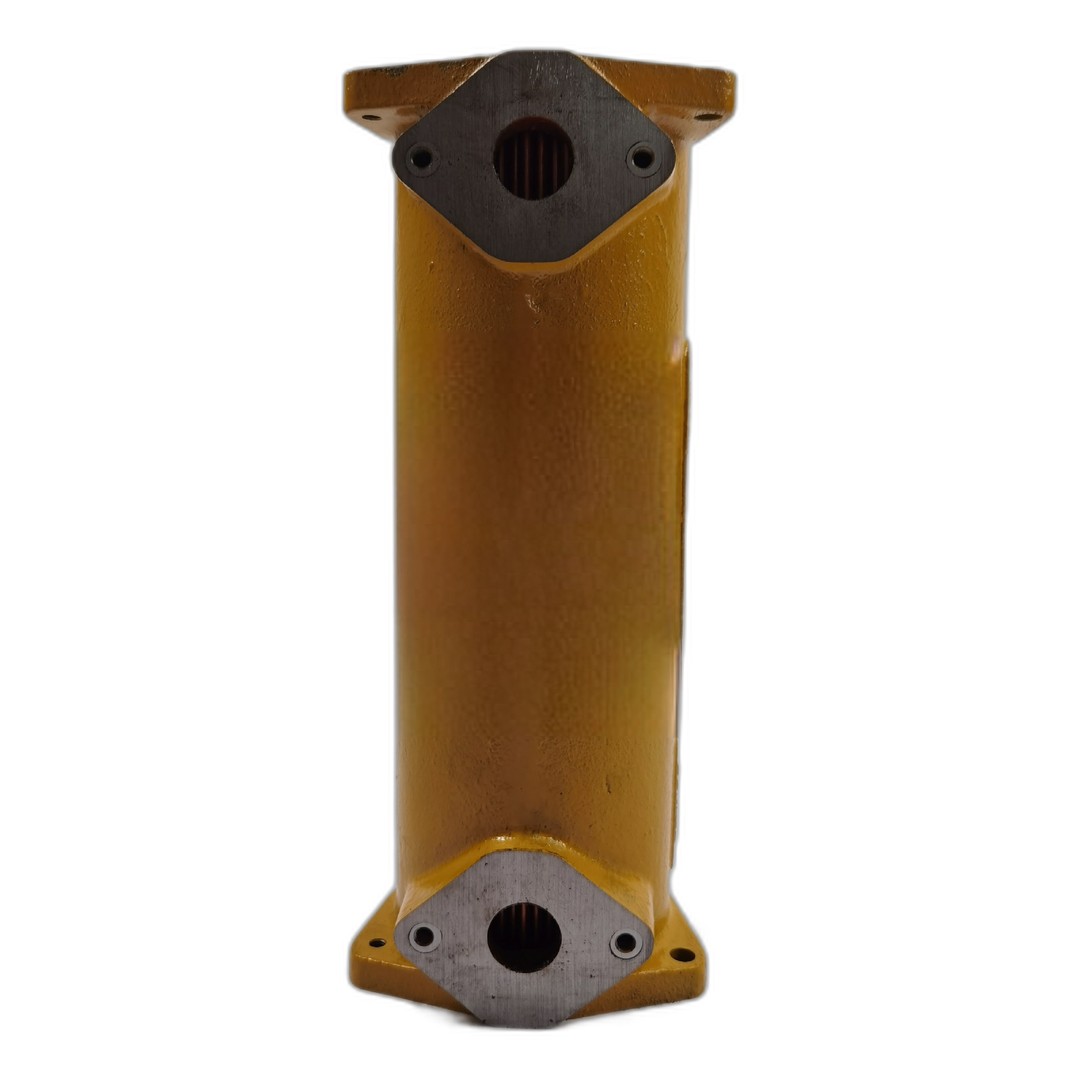
Oil cooler 101-1741: the part that quietly steals cycle time
101-1741 oil cooler is used on the 988K loader and D9R dozer engine family. At altitude, air density is low and the cooling system has less margin, so a partially blocked core shows up as rising oil temperature long before any alarm.
Diagnose with temperature, not with eyes. Measure oil temperature at the cooler inlet and outlet under load; a small differential means the core is blocked or the bypass is stuck open. Inspect the core with a light from behind after blowing it out from the engine side. Check for coolant loss with no external leak, which points to an internal cooler failure and oil in the coolant.
Never wash a cooler with high pressure from the fan side. Silica dust is driven into the fins and baked there, and the core loses capacity permanently. Blow out weekly with dry compressed air in copper operations, and log the temperature differential so a trend is visible before it becomes a failure.
Parts selection and logistics for Chilean and Peruvian mines
Mine customers buy against availability and document quality, not unit price. We supply the 988K consumable list as a set: bucket teeth and adapters, pin and bushing kits, lift and tilt cylinder seal kits or complete cylinders, oil cooler, plus filters. Air freight reaches Santiago, Antofagasta, Lima or Arequipa in 6 to 9 days; sea LCL to San Antonio, Callao or Matarani takes 30 to 40 days.
To quote correctly we need: machine serial number, old part nameplate photo, and the symptom with hours. For mine sites we also provide packing lists with part number, quantity and weight per box, which most site warehouses require for receiving.
Parts statement: we supply aftermarket parts suitable for Caterpillar machines, not genuine Caterpillar parts. Part numbers are used for cross reference only; final confirmation is by machine serial number and the old part nameplate.
Frequently asked questions about CAT 988K parts
Can 988H and 988K cylinders be interchanged?
No. 988H, 988K and 988K XE use different cylinder bore, stroke and mounting dimensions on several circuits. Send the serial number and the old cylinder nameplate, and we confirm the correct part before shipping.
How do I know if a cylinder needs resealing or replacing?
Reseal when the rod is smooth, the barrel is round and the gland is undamaged. Replace when the rod or barrel is scored, or when the same cylinder has been repaired twice for the same leak. Always fit a new wiper, because dust ingress is the usual root cause.
When should bucket teeth be replaced in copper ore?
At about 70 percent of usable length, before the adapter starts to wear. Rotating teeth between positions when wear is uneven extends adapter life significantly, and a loose adapter can crack the lip.
Oil temperature is high but the cooler looks clean. What next?
Measure inlet and outlet temperature differential under load and check whether the bypass is stuck open. Also check for coolant loss without an external leak, which indicates an internal cooler failure.
Send the serial number, get fitment confirmed today
Aftermarket bucket, linkage, hydraulic and cooling parts for CAT 988K wheel loaders. Stock ships same day, air freight to Chile and Peru in 6 to 9 days.

WhatsApp +86 139 2519 9399 · Or message us directly:Chat on WhatsApp