CAT 992K Wheel Loader Parts - Bucket Tooth, Lift Cylinder, Radiator and Turbocharger Wear List for Australia
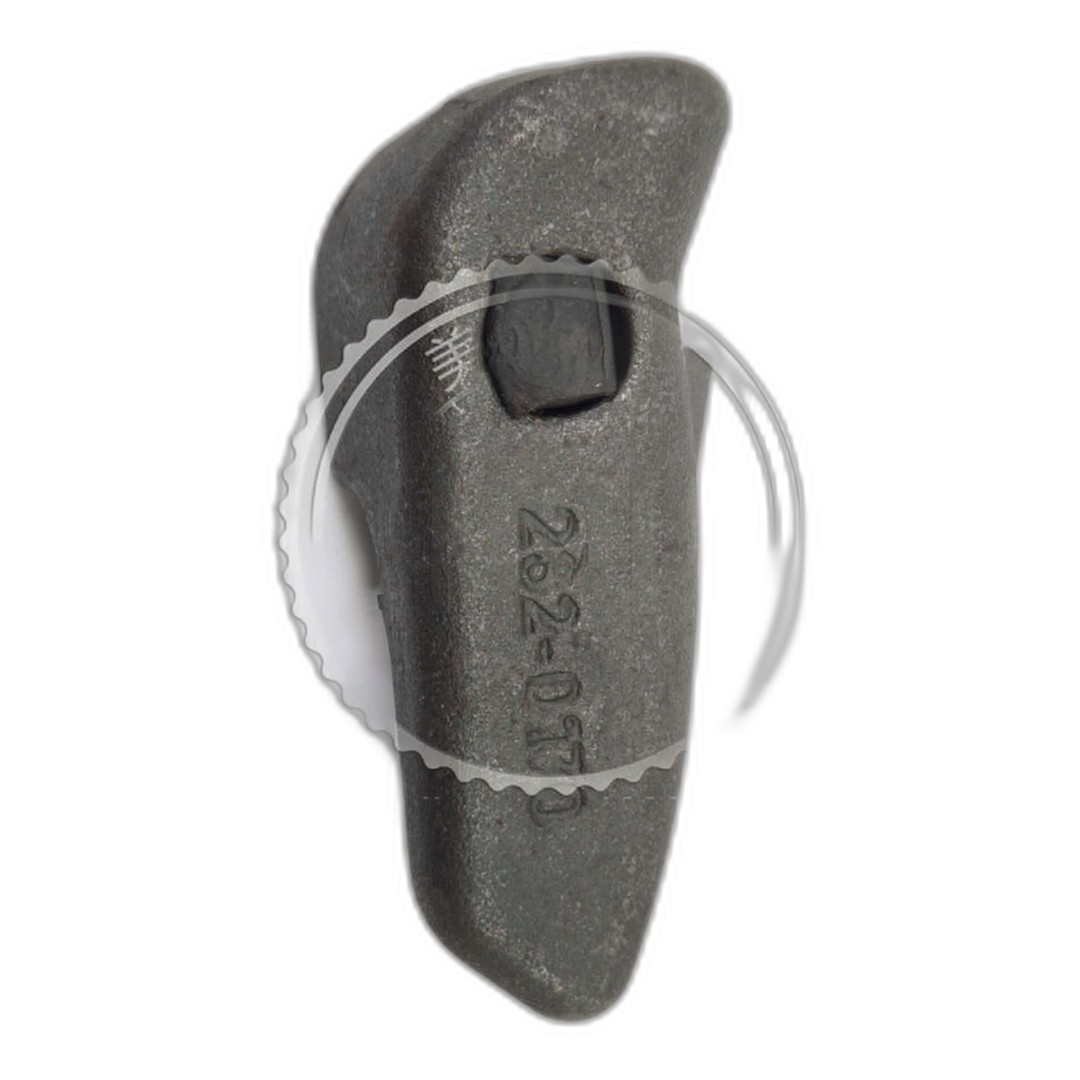
Why Pilbara loaders lose teeth before anything else
Iron ore is not just abrasive, it is heavy and it packs. A 992K working a stockpile does not scoop loose gravel. It rams the bucket into a compacted face, curls against the pile, and shakes out the load, and the teeth take every one of those cycles.
The real chain: tooth tips wear to a flat, penetration drops, the operator rams harder, the adapter starts to wear, the bucket floor and lip take the load, the lip cracks, the machine loses a bucket for a week, and meanwhile dust has plugged the radiator and the charge air cooler so the engine derates and the turbo runs hotter than design. The expensive loss is not the tooth. It is a loading unit that cannot keep a truck fleet moving on a 24 hour schedule.
| Item | Symptom on site | Free first check | Usual action |
|---|---|---|---|
| Bucket tooth | Flat tips, poor penetration | Measure wear flat width | Replace tooth set |
| Lift cylinder | Boom drifts down, slow raise | Time drift with engine off | Reseal or replace |
| Radiator | Derate, high coolant temp | Light test through the core | Clean or replace core |
| Turbocharger | Low boost, black smoke, whine | Shaft play and boost pressure | Replace turbo |
| Check valve | Slow function, drift, no hold | Isolate circuit and observe | Replace valve |
Bucket tooth 232-0170: the wear flat is the schedule
232-0170 bucket tooth is the standard tooth for the 992K bucket and the 374D excavator. In iron ore the tip can reach its wear limit in a few hundred hours, which makes tooth inspection a planned activity rather than a reaction.
Measure, do not eyeball. Record the wear flat width on every tooth at each service interval. Replace the set when the flat reaches about half the original tip width, and replace teeth as a matched set so the bucket loads evenly. A mixed set concentrates load on the sharpest teeth and cracks the lip.
Check the adapters at the same time. Worn adapters make new teeth sit loose, and a loose tooth is a tooth that leaves the bucket and enters a crusher. That single event costs more than a decade of teeth.
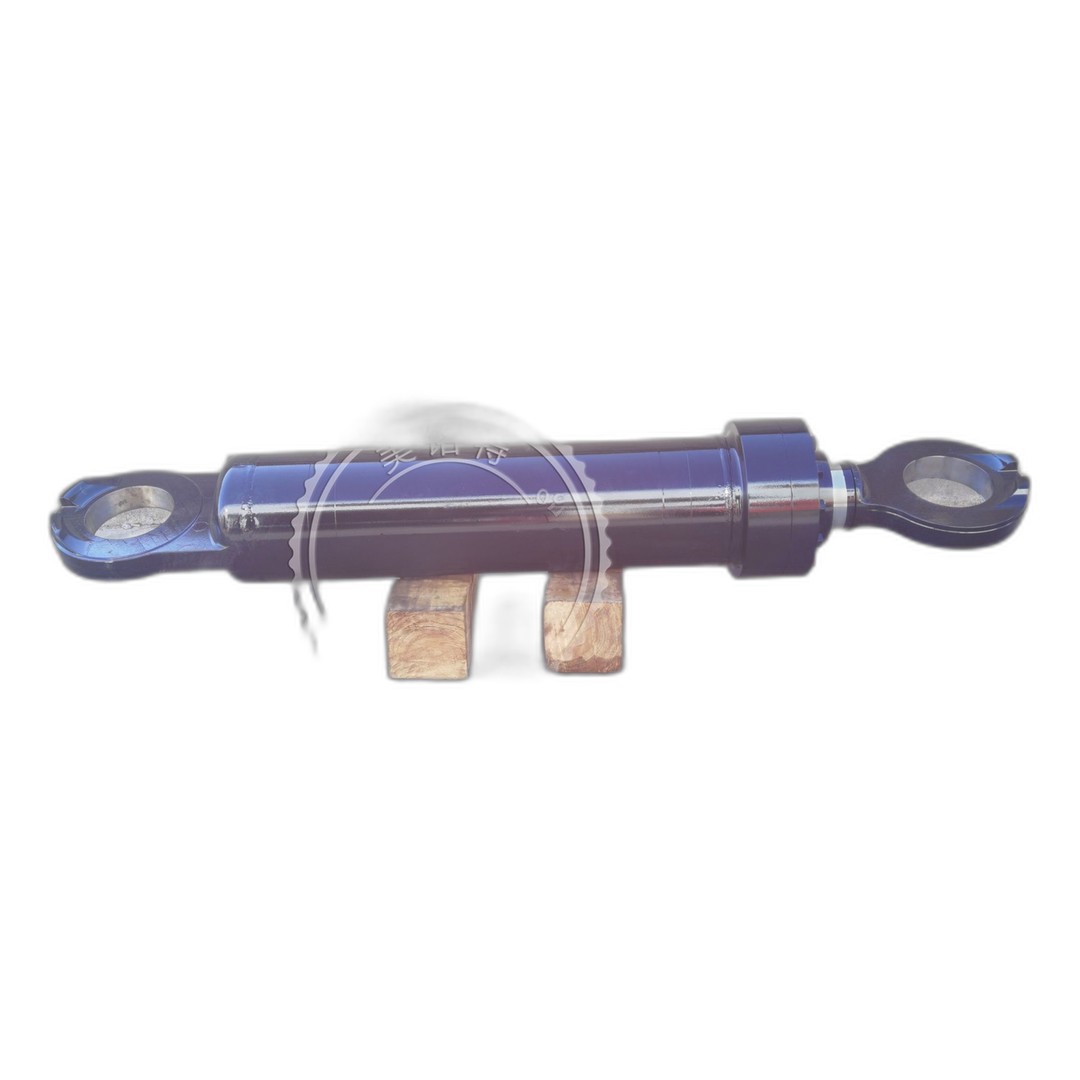
Lift cylinder 271-1716: drift is measured, not felt
271-1716 lift cylinder raises the 992K boom. In continuous truck loading the cylinder sees more cycles in a month than a construction machine sees in a year, and the rod seal takes side load every time the bucket is levelled against a pile.
Test it properly. Raise an empty bucket, stop the engine, mark the rod, and time the drift over five minutes. A drift beyond specification with oil at the rod means the seal package is done. A drift with a dry rod means the piston seal is bypassing internally, and the same reseal kit fixes it, but the barrel must be checked for scoring first.
Never fit new seals onto a scored rod. Polish or replace the rod, replace the wiper and dust seal with the main seal, and use the specified torque on the gland. In iron ore dust, the wiper is what protects everything behind it.
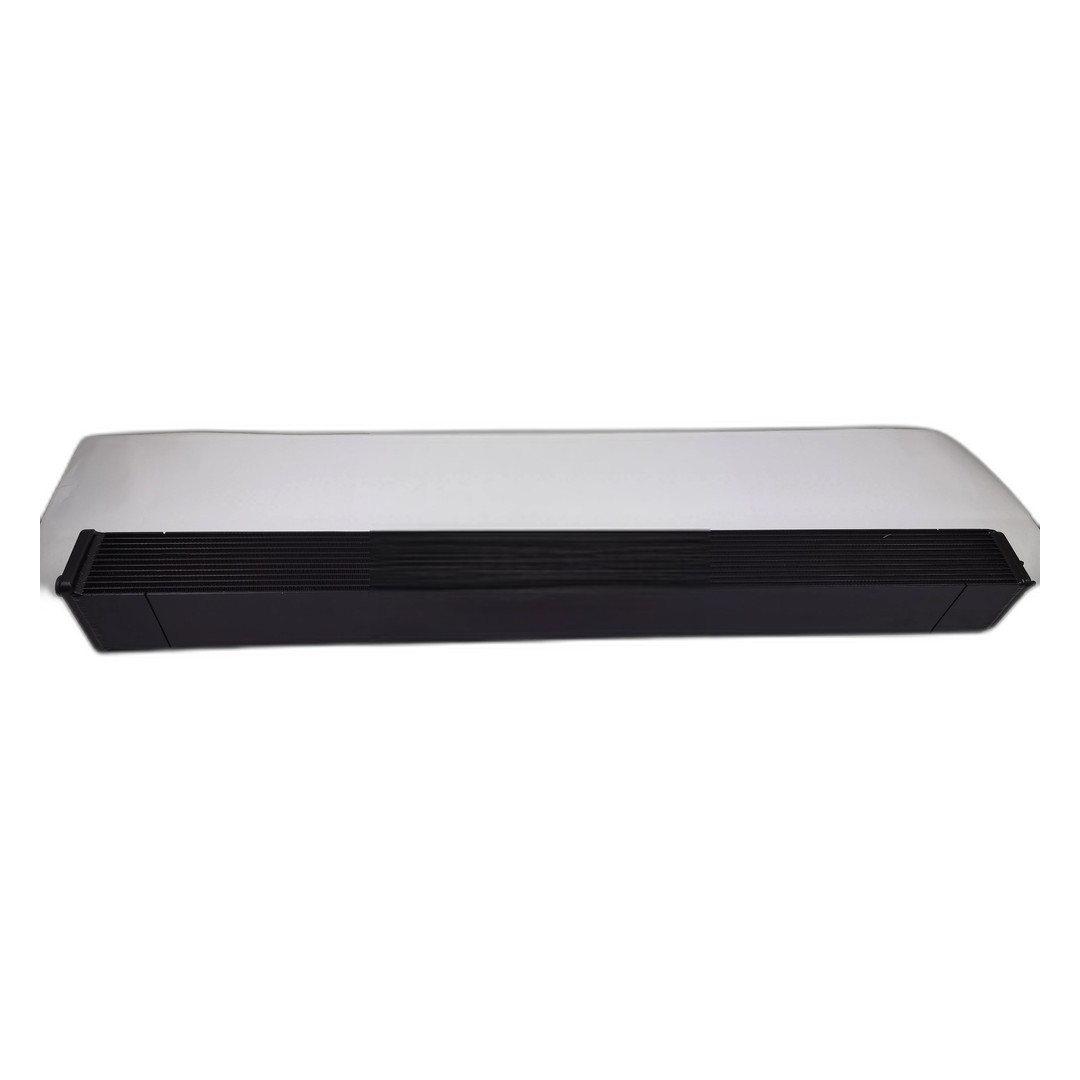
Radiator 387-4367: derate is a cooling problem, not an engine problem
387-4367 radiator serves the 992K and 990K cooling group. In the Pilbara the core plugs with fine red dust that behaves like flour: it does not blow out with air pressure from the front, it packs between the fins.
Diagnose with a light, not a guess. Shine a torch from the engine side and look for light through the core. Patches with no light are blocked. Compare top and bottom tank temperature with an infrared gun; a large difference across the core means internal restriction as well.
Clean from the engine side outward with low pressure air, then low pressure water. High pressure water folds the fins and permanently reduces capacity. In iron ore dust, a weekly blow-out is cheaper than one derated shift.
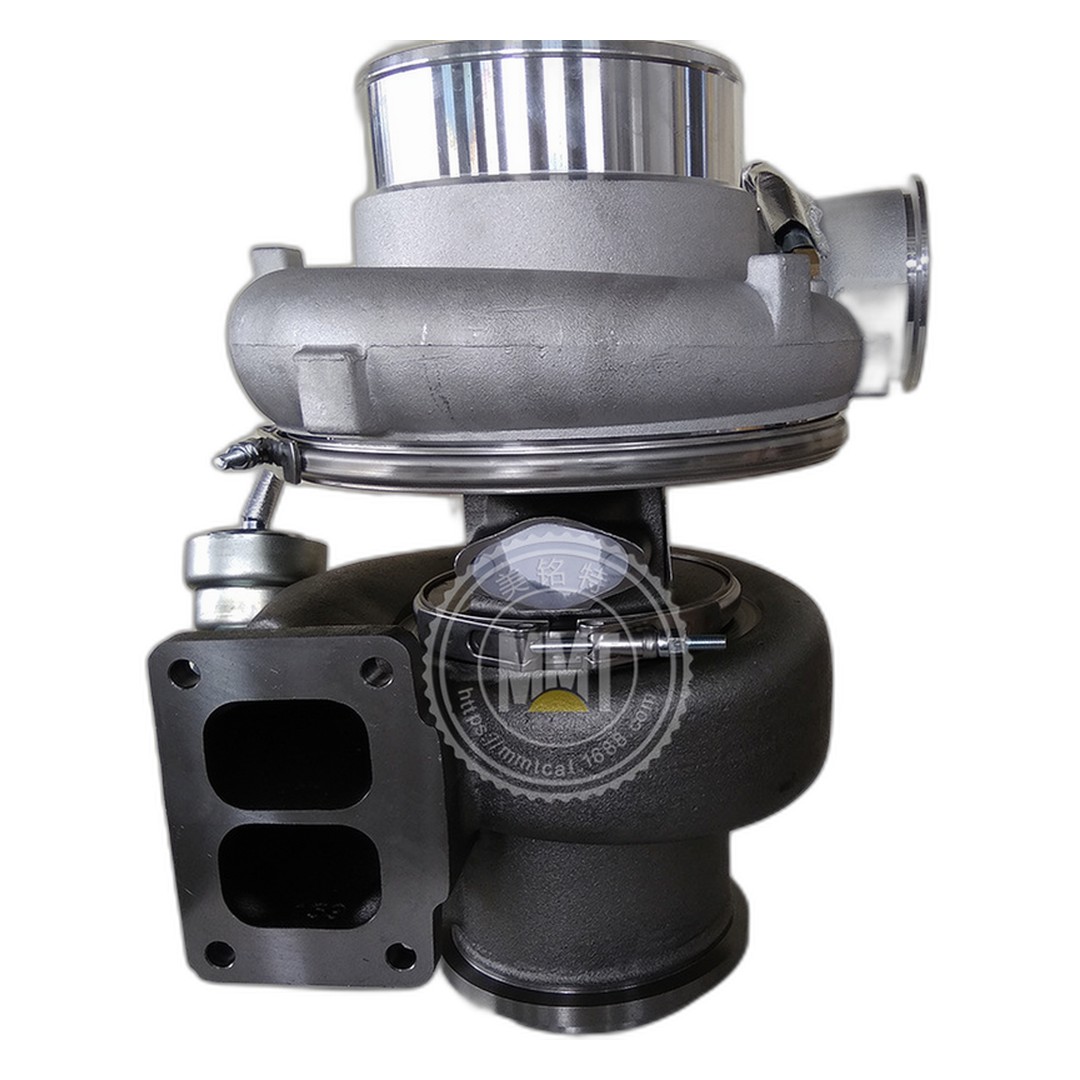
Turbocharger 417-7601: dust ingress and heat soak
417-7601 turbocharger is fitted to the 992K engine. Two failure modes dominate in Australia: dust passing a filter housing that is not sealing, and heat soak when a loaded machine is shut down without a cool down.
Before condemning the turbo, check three things. Radial and axial shaft play: any wheel to housing contact means replacement now. Oil mist in the intake or exhaust: a wet compressor outlet is a seal failure. Boost pressure under load against specification: low boost with a healthy turbo points to a leaking charge air hose, a blocked cooler or a dirty filter.
Every turbo replacement must include new oil and filters, inspection of the oil feed line for sludge, a sealed air filter housing and a five minute idle cool down habit. Repeat failures in mining fleets almost always trace to the oil feed line that was never cleaned.
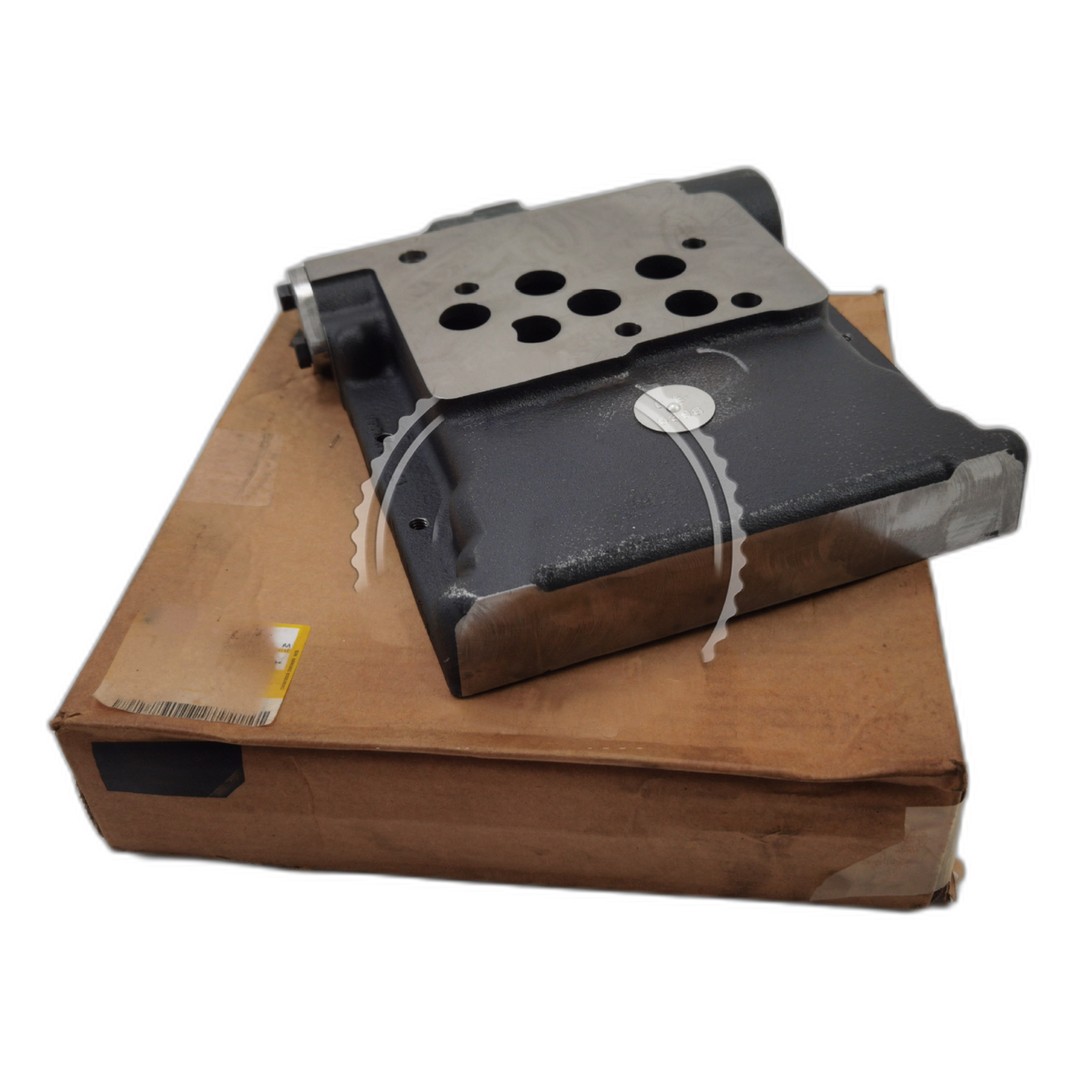
Check valve 8E-6398: the small part behind a slow function
8E-6398 check valve is used in the loader hydraulic circuit on the 980G, 992K and 993K. When it sticks, the symptom looks like a worn pump: one function is slow, or the bucket drifts, or a circuit will not hold.
Isolate before buying a pump. Watch which function is affected: a single slow function with normal pressure elsewhere points to a valve, not the pump. Check holding ability with the engine off: a circuit that will not hold is usually a check valve or a leaking cylinder seal. Inspect for contamination: a stuck valve means dirt is circulating, so flush the circuit.
Replacing the valve is cheap. Replacing a pump because a valve was stuck is not. In dust conditions, add this check to the standard diagnosis before any hydraulic pump is condemned.
Parts selection and shipping to Australia
Australian mining buyers care about hours available, not unit price. We supply 992K teeth, adapters, cylinder seal kits and complete cylinders, radiator cores, turbochargers and hydraulic valves as consolidated shipments from our Guangzhou warehouse. Air freight reaches Perth in 5 to 7 days; sea LCL takes 14 to 20 days to Fremantle or Port Hedland, and site delivery can be arranged through Perth freight forwarders.
To quote correctly we need three things: machine serial number, photo of the old part or nameplate, and the bucket or attachment part number. The serial number resolves the cooling and hydraulic variant, the photo prevents same number different generation mistakes, and the attachment number matters because a rebuilt bucket often changes the tooth family. With all three, quotation goes out the same day.
Parts statement: we supply aftermarket parts suitable for Caterpillar machines, not genuine Caterpillar parts. Part numbers are used for cross reference and identification only; final confirmation is by machine serial number and the old part nameplate. Ground engaging tools are hardness checked and hydraulic components are pressure tested before packing.
Frequently asked questions about Cat 992K loader parts
How often should 992K bucket teeth be measured in iron ore?
At every service interval, and record the wear flat width. Iron ore can take a tip to its limit in a few hundred hours, so measurement turns tooth changes into planned work instead of a broken bucket lip on a Saturday night.
Boom drifts down slowly. Is the cylinder or the valve?
Raise an empty bucket, stop the engine and time the drift. Oil at the rod means the rod seal is gone. A dry rod with fast drift means the piston seal bypasses internally, or a check valve or lowering valve is leaking. Isolate the circuit before ordering parts.
The loader derates in summer. Radiator or something else?
Do a light test through the core from the engine side, then compare top and bottom tank temperatures. Red dust packs between fins and does not blow out from the front. Clean from the engine side outward at low pressure and check the charge air cooler at the same time.
Can I replace a turbo without cleaning the oil feed line?
No. Sludge in the feed line starves the new turbo and it fails again within weeks. Every replacement needs new oil and filters, a cleaned feed line, a sealed air filter housing and a cool down habit.
Send the serial number, confirm fitment today
Aftermarket bucket, hydraulic, cooling and turbo parts for the Cat 992K, in stock and shipped from Guangzhou in 24 hours.

WhatsApp +86 139 2519 9399 · Or message us directly:WhatsApp quick quote