CAT D6H Dozer Parts - Undercarriage, Final Drive and Cooling Wear List for Indonesia and Malaysia
Soft ground sets the failure order on plantation duty
A D6H on palm oil land clearing works soft, wet ground most of the year. Soft ground means constant track slip, and slip is what destroys undercarriage - every slipping turn drags the track sideways across the rollers. Daily rain means mud packs every gap, holds water against every seal and hides wear until it is advanced.
The failure chain: track tension maintenance is skipped because access is miserable, the loose track slaps and derails, rollers and idlers wear fast under the hammering, mud and water push through tired final drive seals, the planet set loses material, and the machine finally stops with a hot, whining final drive. Meanwhile wet chaff packs the radiator until mid day heat wins.
| Area | Symptom on site | First check (no cost) | Usual action |
|---|---|---|---|
| Rollers / idlers | Flat spots, oil weeping, noise | Roller diameters, play, oil leaks | Replace worn rollers as sets |
| Track shoes / chains | Loose track, derailment, jump | Track pitch, shoe bolts | Adjust, re-shim or replace chains |
| Final drive | Whine, heat, oil weeping | Drain check for water or mud | Seals first, planet set if worn |
| Radiator / cooling | Overheat by mid day | Light test through the core | Clean or replace core |
| Blade and hydraulics | Blade drift, slow tilt | Drift test, pressure check | Reseal cylinders, service valves |
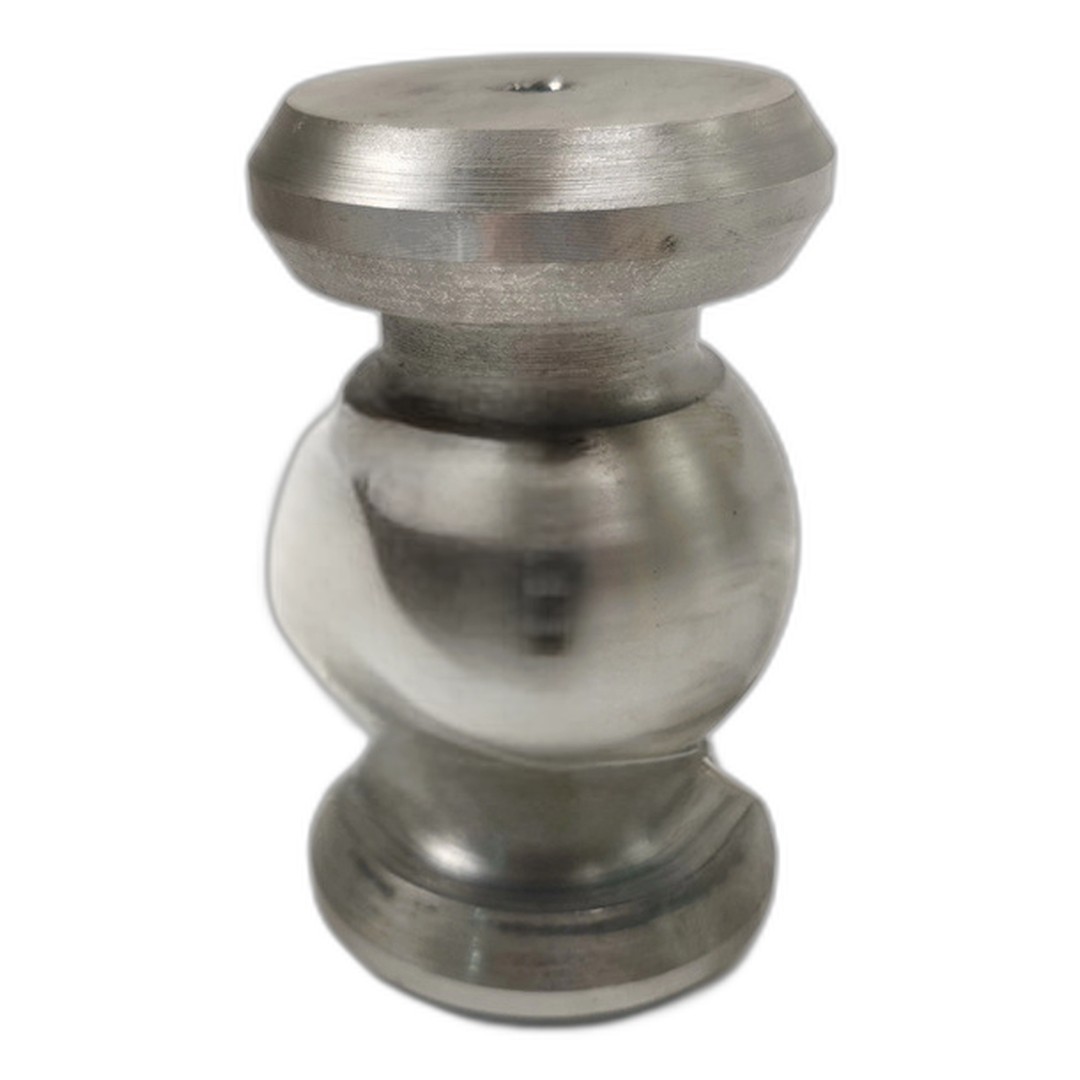
Undercarriage 4J-1641 CAT D6R D6H Pin Assembly Pin Shaft 4J-1641 for Bulldozer - measure, do not guess
Undercarriage is the biggest wear bill on any swamp dozer, and it is managed by measurement, not opinion. Check in fixed order: track pitch against the wear limit, roller and idler diameters, bolt torque on shoes, and leak traces on every roller seal. Replace rollers in axle sets - a single new roller beside worn ones carries the track alone and fails young.
Track tension on muddy ground must be checked more often than the book says, because mud changes the effective sag every day. A loose track on soft ground is the fastest way to derailment and a bent idler bracket.
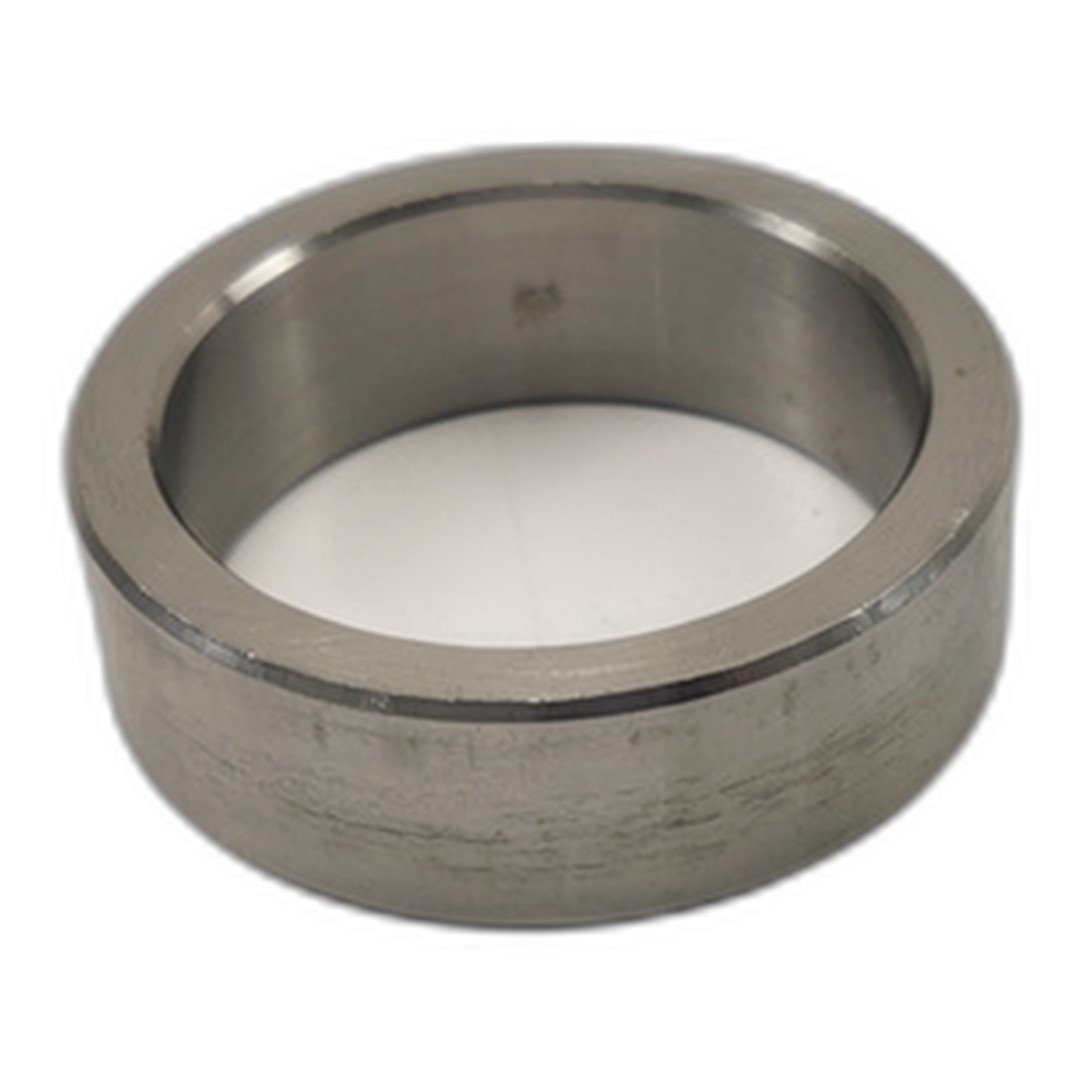
Final drive 258-2307 CAT D6R D6T D6H D5 Bushing Sleeve Steel Sleeve 258-2307 2582 - the drain plug tells the truth
The D6H final drive fails in a fixed sequence: seal lip hardens with age, water and mud enter past it, bearings and planet gears wear, the drive whines and runs hot, and finally the unit locks. Catch it early with a drain check at every service: water or mud in the drain sample means the seals are already gone, whatever the noise says.
Seal replacement done on time saves the planet set - it is a routine job. Waiting for the whine turns the same job into a complete final drive. On swamp duty, budget seals as consumables, the same as filters.
Cooling 6Y-2851 CAT D6H D6R Connecting Rod 6Y-2851 for Construction Machiner - wet chaff is the worst packing
Land clearing throws chaff, grass and mud into the radiator. Wet chaff packs the core and sets when the machine stops for the day. Clean the core every 250 hours from the inside out at low pressure, and after any deep mud session, clean the same day. A core that dries packed loses cooling that cleaning may not recover.
Check the fan drive and shroud at the same time. On this machine class most mid day overheats are a packing or fan problem, not an engine problem.
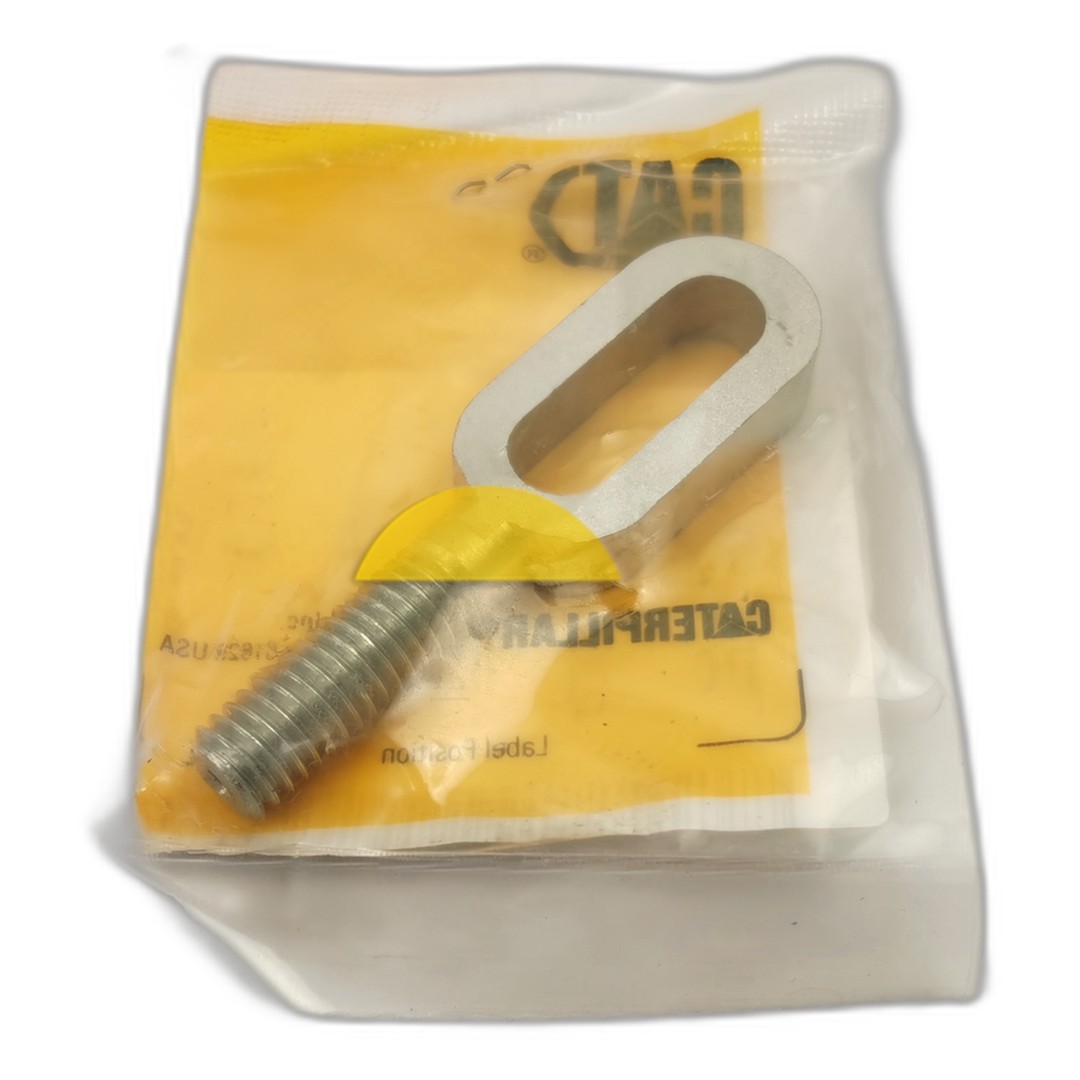
Blade and hydraulics 3T-1078 CAT D5B D7H D6H Parts 3T-1078 for Construction Machinery Bul - drift ruins the grade
On road grading inside the plantation, blade drift is not a comfort issue - it is the road. A lift cylinder that creeps 5 millimetres per 100 metres destroys the crown the operator just cut. Test each cylinder: raise the blade, shut down, mark and measure over ten minutes.
Drift within the first minute means the piston seal; later drift means a holding valve. Reseal only if the rods are not scored, and replace the wipers with the kit. Mud on the rods scores them fast - wipe the rods daily on clearing duty.
Daily discipline 2W-6030 CAT D6H Parts 2W-6030 for Construction Machinery Bulldozer E - five minutes that halve the bill
On swamp and plantation duty the cheapest interventions are daily: blow the mud out of the undercarriage at shutdown, wipe the cylinder rods, check the track sag, and eyeball every seal for weep. These five minutes catch the wear items while they are still consumables instead of assemblies.
Record roller diameters and drain sample results per machine each month. Undercarriage is a trend, and trends can be planned; breakdowns cannot.
Common parts and lead times
| Area | Typical part number | Sensible stock | Lead time from China |
|---|---|---|---|
| Track roller | 4J-1641 | 1 axle set per 4 machines | 15 to 25 days by sea or air |
| Final drive seal kit | 258-2307 | 1 set per machine | 7 to 12 days |
| Radiator core | 6Y-2851 | 1 per 8 machines | 15 to 25 days |
| Cylinder seal kit | 3T-1078 | 2 sets per machine | 5 to 10 days |
| Idler / sprocket segment | 2W-6030 | 1 per 6 machines | 15 to 25 days |
For Jakarta, Balikpapan, Banjarmasin and Kota Kinabalu, seal kits and sensors fly; rollers, shoes and cores are worth sea freight if the machine still works. Plantation fleets far from ports should hold the seal and filter list on site - the last leg into the estate is always the slowest leg.
FAQ - D6H in Indonesia and Malaysia
Can I replace single rollers instead of full sets?
Not recommended. A single new roller beside worn ones carries the track alone and fails young. Replace in axle sets, and measure all rollers at the same service.
How do I catch final drive damage early?
Drain a sample at every service. Water or mud in the sample means the seals are gone, whatever the noise says - replace seals before the planet set follows.
Why does the dozer overheat only at mid day?
Wet chaff packs the radiator and sets when it dries. Light test the core, clean from the inside out at low pressure, and check the fan drive before touching the engine.
Is blade drift worth fixing immediately?
Yes. On plantation road grading a drifting cylinder destroys the crown as fast as the operator cuts it. Ten minute drift test per cylinder, then reseal or valve as the test indicates.
Need a quote and lead time for D6H parts?
Send the machine serial number and part numbers. We reply within 24 hours with price, stock and air or sea transit time to Jakarta, Balikpapan or Kota Kinabalu.

WhatsApp +86 139 2519 9399 · Scan and send part numbers directly on WhatsApp Send a message