CAT D6T / D8T Dozer Undercarriage Parts Guide — Rollers, Track Groups and Pump Options (2026)
Failure order in real fleet operation
| Stage | What is happening | What you see | Action |
|---|---|---|---|
| 1 | Track bushing wear begins | Pitch starts to grow | Measure pitch, plan a bushing turn |
| 2 | Roller seals let mud in | Dry running roller, squeal | Replace the leaking roller plus its seals |
| 3 | Idler and carrier mismatched with chain | Tracking off to one side | Check alignment before replacing the chain |
| 4 | Final drive takes shock load | Metal in the drain, loss of drive | Stop and isolate — do not keep running |
Cleanliness is not cosmetic, it is the whole maintenance programme
Packed material inside the track frame changes the effective track tension and pushes the rollers out of alignment. Ten minutes with a pressure washer at the end of every shift does more for undercarriage life than any single part you can buy. It is also the cheapest way to spot a leaking roller before it destroys itself.
Parts most frequently shipped for the D6T / D8T platform
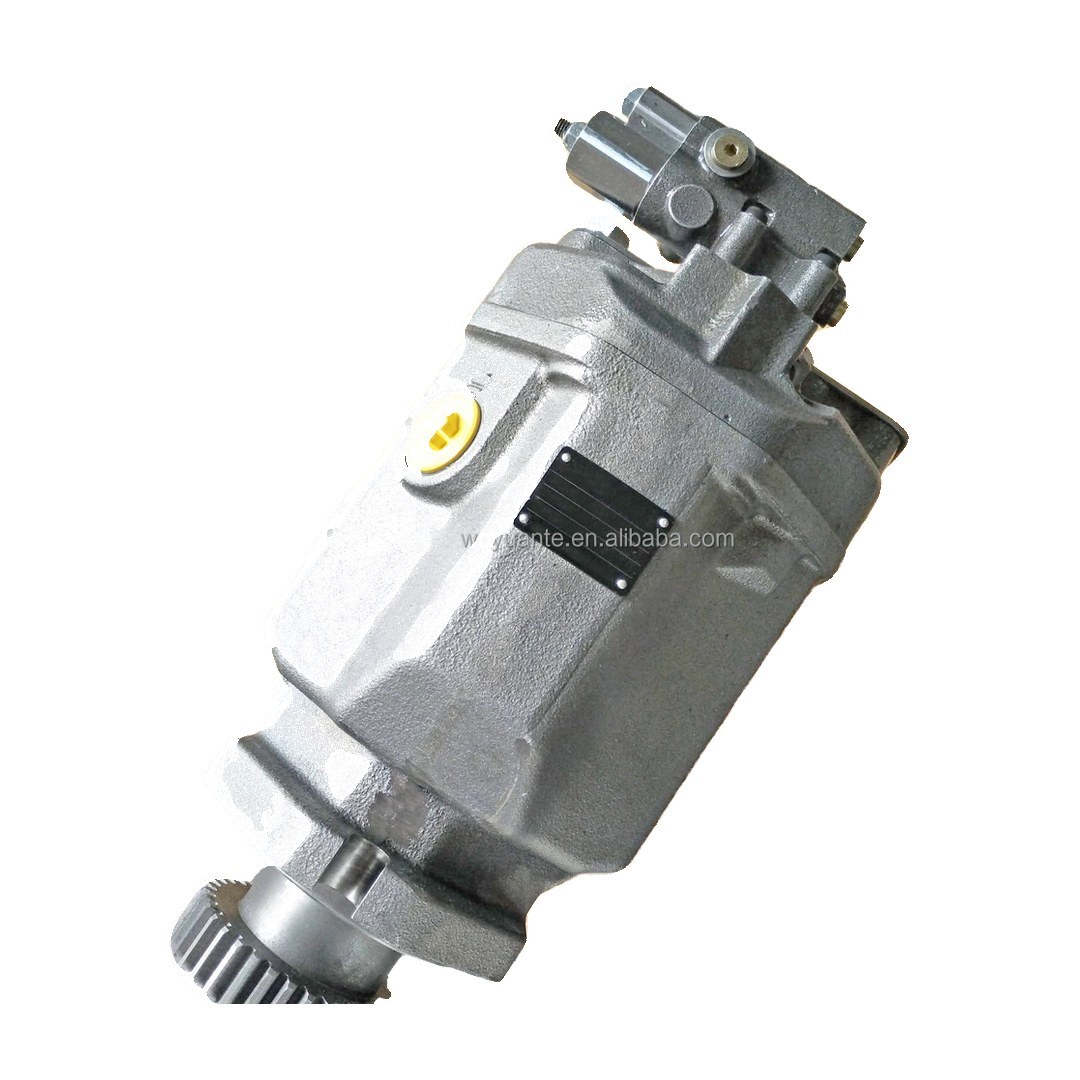
- Hydraulic / piston pump: steering and blade functions depend on it. Two references we regularly ship for these tractors are 3417664 piston pump and 2712116 piston pump — both are used on D6T track-type tractors and both need a rotation and port check before dispatch.
- Bottom rollers: a dry roller welds itself to the shaft and takes the track with it. 1181608 track bottom roller covers D4D / D5 / D6D / D6R / D8N machines — confirm shell width and bolt pattern.
- Bushings and sleeves: play in the linkage shows up first as sloppy blade control. 3T-4238 bushing is used across D7H / D7R / D8R / D8T machines.
- Engine cylinder liners and rebuild kits: when the engine finally needs it, 5863377 cylinder liner / engine rebuild kit covers the C15 used in D8T units — confirm engine serial number first.
Track tension: the single most abused adjustment
Too tight and you multiply bushing and drive-sprocket wear; too loose and the track slaps, derails and hammers the idler. Both mistakes are expensive. Use the measurement procedure in your machine manual — not eyeball — and re-check it whenever the ground conditions change. On soft ground, deliberately run looser than you would on rock.
Turn or replace? Managing pins and bushings
When bushing wear reaches the limit, you have two honest choices: turn the pins and bushings on schedule (cheapest overall if you catch it in time) or replace the whole chain group. Turning makes sense only while the link bodies still have measurable life left. Once the chain is stretched past its service limit no amount of turning will recover it.
How we quote and ship dozer parts
Send the machine serial number (the dozer, and the engine too for engine parts), a photo of the machine plate and the part number stamped on the old unit. We confirm fitment, reply with stock status and warehouse photos, then palletise or crate the order with machined faces protected separately. Small parts go by courier; rollers, pumps and chain groups go by sea, consolidated whenever you are ordering several lines together.
FAQ
Are D6T and D8T undercarriage parts interchangeable?
No. They are different size classes with different chain pitch, roller shell widths and bolt patterns. Some ancillary items cross over, but anything structural must be confirmed against the machine serial number.
How do I know if a roller is failing?
Look for oil streaks down the shell first, then listen for a dry squeal and feel for excessive heat after a shift. A roller that weeps oil today will usually seize within a few hundred hours if it is left.
Tight tracks or loose tracks: which is worse?
Both cost money. Tight tracks multiply bushing and sprocket wear; loose tracks derail and hammer the idler. Measure to the machine manual instead of by eye, and re-check after the ground conditions change.
Can I order a dozer pump using the machine model only?
We do not recommend it. Rotation direction, shaft spline and port layout vary by machine serial break. Send the stamped number from the old pump and we will cross-check it for you.
Need D6T / D8T undercarriage parts priced?
Send the machine serial number and the old part number — we confirm fitment and send photos the same day.

WhatsApp +86 139 2519 9399 · Scan and send your part number, or open the chat directly